
Pirelli has launched the group’s first closed-loop tyre recycling initiative in North America, using recovered carbon black generated during the manufacturing process
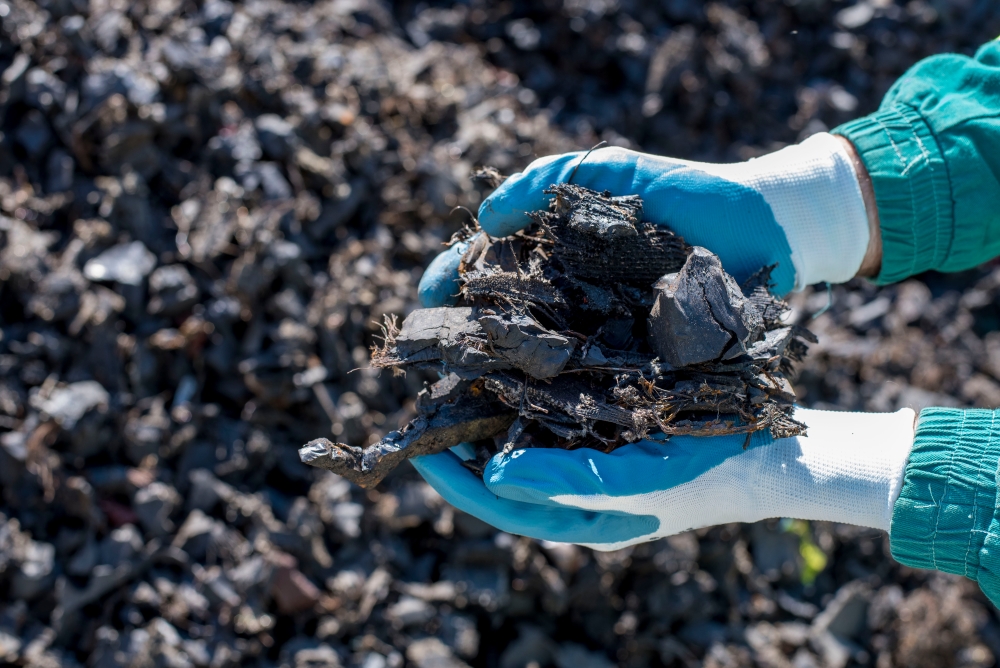
The Pirelli recycling programme, developed in partnership with Bolder Industries, focuses on recovering scrap tyres generated during Pirelli’s manufacturing operations. The materials are processed using pyrolysis technology to produce ISCC PLUS-certified recovered carbon black (rCB), branded as BolderBlack®, which is then reintroduced into new tyre production.
According to Pirelli, the initiative forms part of a broader strategy to increase the use of recycled and bio-based materials across its product portfolio while reducing reliance on virgin raw materials. The company added that the project could eventually be expanded to additional production facilities as part of the group’s wider industrial recycling ecosystem.
The initiative has also received industry recognition, winning the Tire Recycling Foundation’s Circle of Change Award in the Value Chain Collaboration category for advancing tyre recycling and circular economy practices.
Claudio Zanardo, CEO of Pirelli North America, said: “This initiative reflects an approach focused on increasing the use of recovered materials within existing production processes. It is part of a broader effort to gradually integrate raw materials derived from recycled resources into our products while maintaining consistency in performance and quality.”
Bolder Industries CEO Tony Wibbeler said the collaboration demonstrated that tyre-to-tyre circularity could be implemented at an industrial scale within premium tyre manufacturing.
“Our collaboration demonstrates that a traceable, mass-balance approach to tire-to-tire circularity is not only achievable, but it’s ready to scale inside a premium manufacturing environment,” he said.
Pirelli stated that the initiative supports its wider sustainability targets, including an ambition to reach more than 80% recycled and bio-based materials in its premium products by 2030, and 40% across total production.
Image credit: Rob Wingate, Unsplash