
Tyres currently categorised under the Article 18 (Green Listed Waste) regulations will soon be subject to stringent new export controls. These incoming regulatory changes will apply specifically to businesses exporting Green List waste from England, though they will not impact shipments that already require prior notification.
The Environment Agency (EA) is strongly recommending that all Green List waste exporters register under the new Article 18 controls immediately. Registration can be completed in advance online or in direct response to an information notice. Crucially, businesses must respond to these official information notices even if they do not currently export waste, ensuring the regulatory body maintains accurate industry records.
New Export Controls to Start with Textile Sector
The EA is introducing these new requirements from July 2026. However, following industry feedback, the agency has opted for a phased implementation rather than demanding immediate compliance from all exporters simultaneously. The rollout will begin with a small group of operators handling specific waste streams—initially focusing on waste textiles—before gradually expanding to cover all Article 18 waste types, including end-of-life tyres.
The EA has requested that exporters refrain from contacting them to ask when specific waste streams will be integrated; instead, the agency will log the waste types during initial registration and contact businesses directly when information is required. While no administrative charges will be applied to this process initially, the EA has indicated that fees may be introduced in the future following a formal consultation and government approval.
Shipment Information Notice and ESM Notice
To comply with the updated framework, exporters will be required to manage two distinct reporting mechanisms: Shipment Information Notices and Environmentally Sound Management (ESM) Notices.
The Shipment Information Notice requires the submission of basic export data that operators should already hold, most of which is contained within the standard Annex VII form that accompanies waste shipments. Rather than sending copies of individual Annex VII forms, exporters must compile this data into a specific spreadsheet supplied by the EA. This spreadsheet must detail each shipment made within a calendar month and be submitted digitally within 21 days of the month’s end.
The Environmentally Sound Management (ESM) Notice functions as a formal request for evidence regarding the overseas facilities receiving the waste. Exporters will have 28 days from the date of the notice to submit documentation demonstrating that the destination recovery facility is suitable and fully authorised. The EA will assess the evidence and may request additional details. If the agency is not satisfied that the destination site can manage the waste in an environmentally sound manner, it holds the power to issue a notice prohibiting further shipments to that facility.
Minimum Evidence Requirements
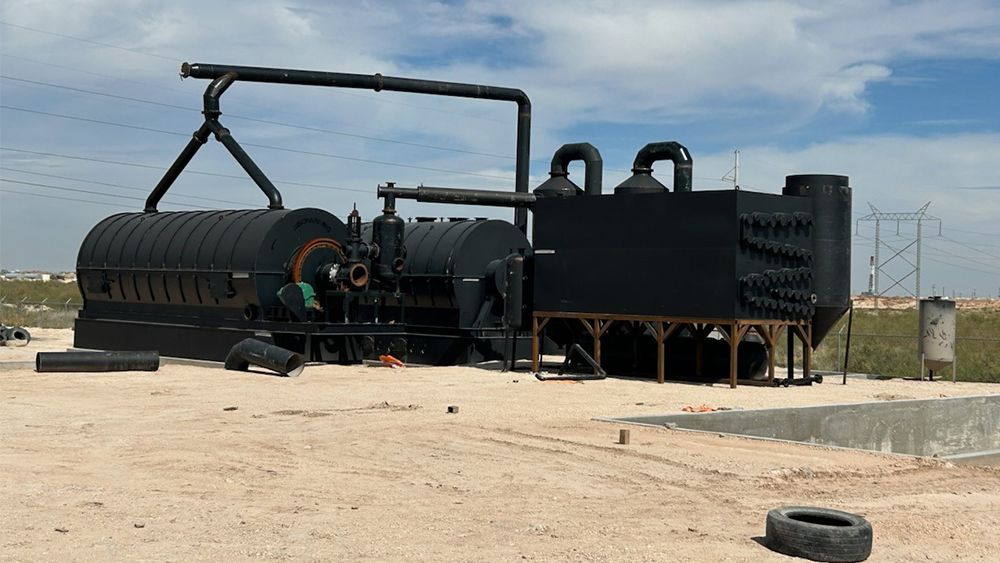
To satisfy the ESM notice, exporters must be prepared to provide a core set of evidence. This core criterion includes formal documentary proof and copies of import licences showing the recovery facility is legally authorised under domestic law to process transboundary waste. Exporters must also provide the exact GPS location of the facility, alongside geotagged photographs of the on-site machinery and processing equipment, featuring embedded metadata that verifies the coordinates, date, and time.
Furthermore, compliance requires a detailed process flowchart mapping the facility’s operations and resultant materials, the official Article 18 contract executed between the exporter and the consignee, and direct contact details for a designated representative at the recovery plant. Where available, operators should also supply supplementary documentation to evidence environmentally sound management, such as the facility’s Environmental Management System (EMS), occupational health and safety protocols, monitoring programmes, personnel training schedules, and emergency response plans.