A new report from the Australian Tyre Recyclers Association (ATRA) has concluded that existing mining regulations across Australia’s major mining states are preventing the tyre recycling sector from achieving meaningful circular economy outcomes
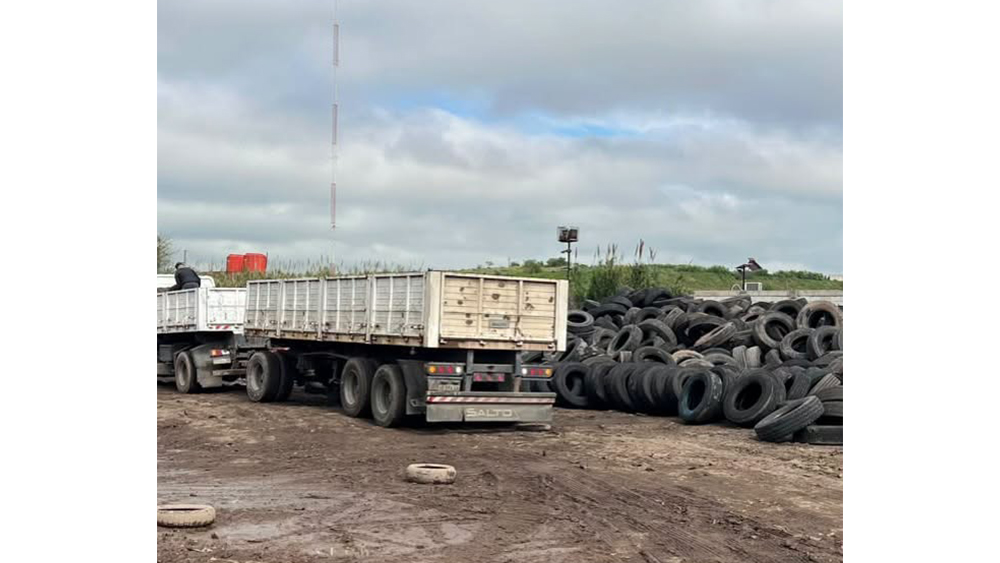
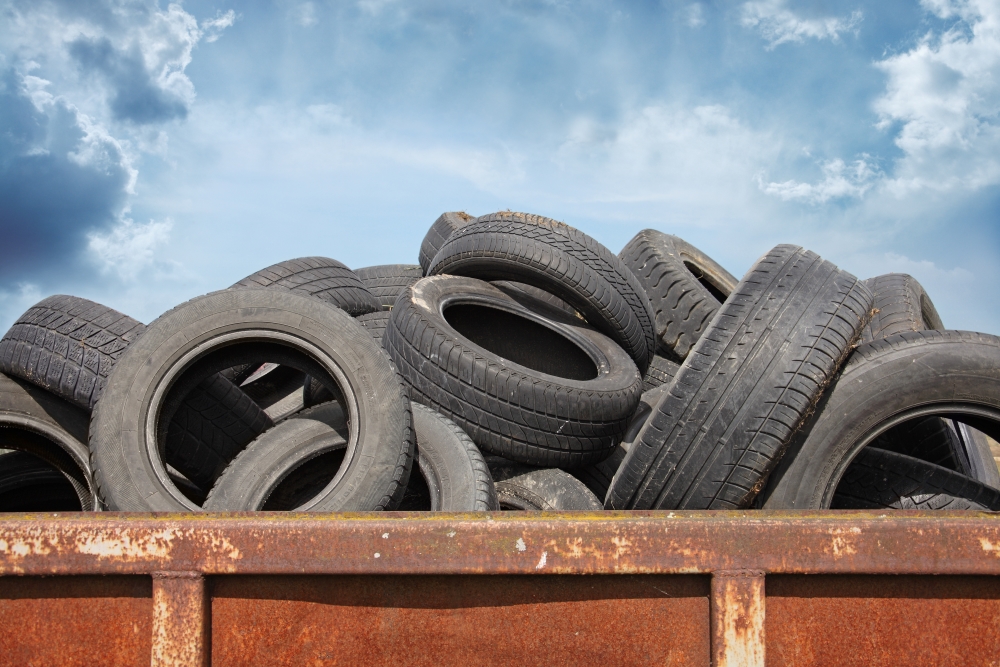
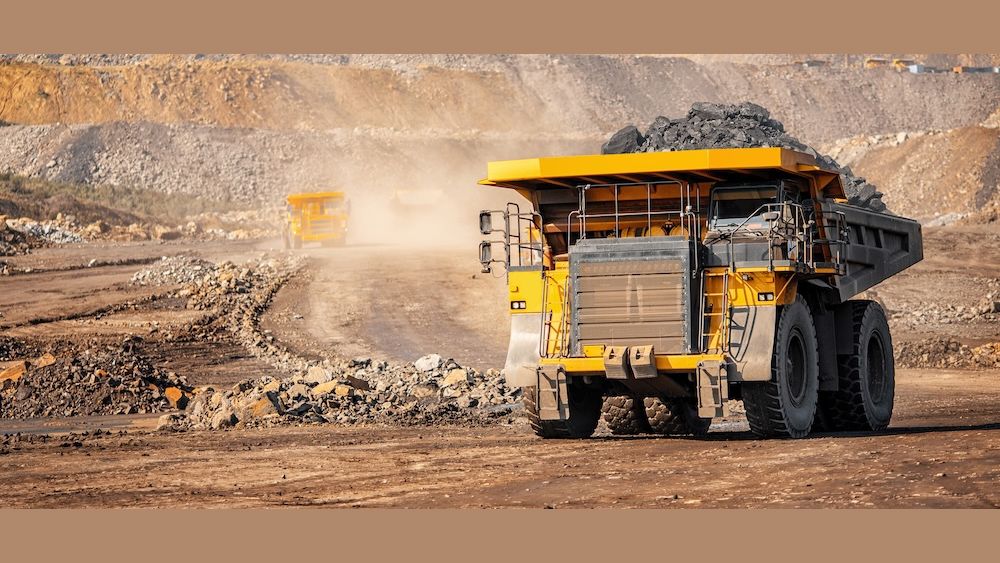
Prepared by consultancy Urban EP, the report examined regulatory frameworks in Western Australia, Queensland and New South Wales, finding that despite significant investment in tyre recycling infrastructure, only around 2% of off-the-road (OTR) mining tyres are currently recovered, with most still disposed of through in-pit burial.
According to ATRA, the findings reveal a disconnect between current regulatory settings and national circular economy ambitions. Executive Officer Robert Kelman said existing frameworks continue to favour disposal over recovery, despite the availability of viable recycling solutions.
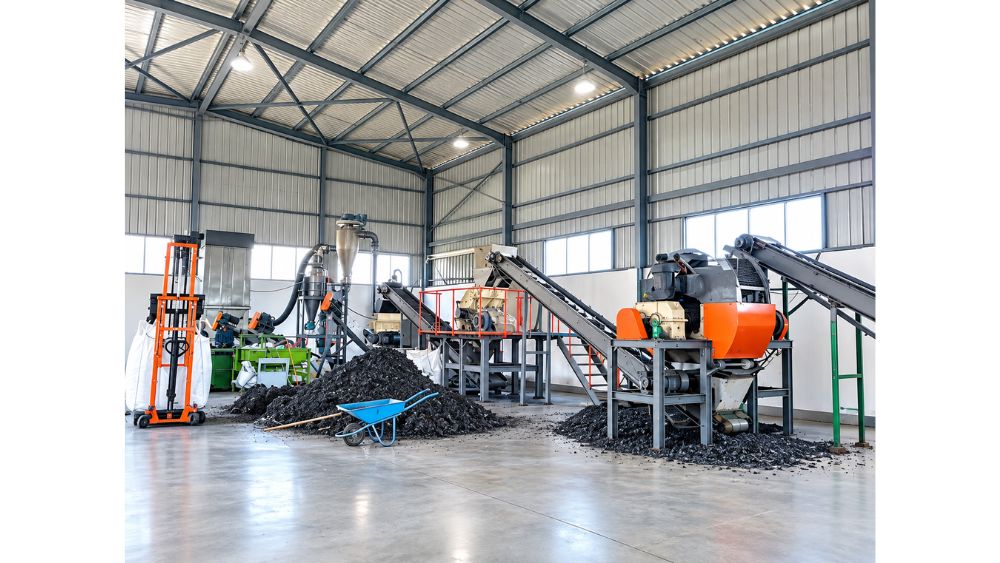
“Australian recyclers, with government support, have invested heavily in tyre recycling capability, including specialised infrastructure to process large OTR mining tyres,” said Kelman. “However, these facilities are being significantly underutilised because regulatory settings still allow low-cost on-site disposal to remain the default option.”
The report found that mining approvals and environmental licences remain focused on managing site-specific environmental risks, with little emphasis on resource recovery, while also noting that waste hierarchy principles are rarely enforced, licence conditions seldom require or encourage recycling and regulators have limited ability to mandate alternatives where disposal is permitted.
The report also highlights a structural gap between mining approvals and environmental licensing across all three states. In Western Australia, for example, mining approvals granted under the Mining Act and environment protection licences issued separately by the Department of Water and Environmental Regulation are not required to reference one another, meaning site-specific disposal permissions can be granted with little scrutiny of recycling alternatives. A similar situation exists in New South Wales, where the report found that environment protection licences can only address tyre management if the practice is explicitly referenced in a mine’s Development Consent, which has left waste tyres effectively unregulated at most sites reviewed.
ATRA argues that Australia’s tyre recycling industry now has the capacity to process large mining tyres into materials for civil construction, manufacturing and emerging tyre-to-tyre recycling applications, but says regulatory reform is needed to unlock this potential.
The report recommends strengthening tyre management requirements within mining approvals, clarifying how the waste hierarchy should apply to mining operations, updating regulations to reflect current recycling capabilities, and requiring mining companies to properly assess recycling options before approving on-site disposal.
“There is now a clear opportunity to modernise regulatory settings to reflect the capabilities of the recycling sector and the expectations of a circular economy,” Kelman said. “With the right reforms, Australia can shift from a system that passively enables disposal to one that actively supports recovery.”
Crucially, the report found no clear regulatory trigger point, sunset clause or time horizon after which in-pit tyre disposal would no longer be permitted in any of the three states; disposal can, in effect, continue indefinitely under current settings. Rather than pursuing reform on a site-by-site basis, the report recommends a coordinated, whole-of-sector approach, with regulators developing standardised model licence conditions that could be rolled out across mining operations in each state, ideally in step with the location and capacity of tyre recycling infrastructure already available.
ATRA said it is now engaging with governments, regulators and industry stakeholders to advance reforms aimed at improving recovery rates for mining tyres and better aligning the sector with Australia’s resource recovery objectives.