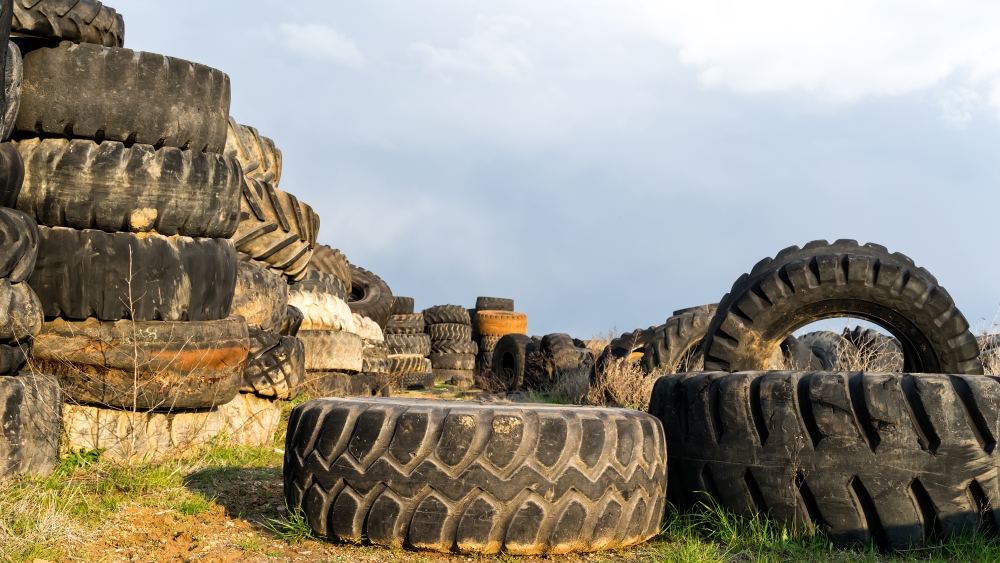

SIGNUS Ecovalor managed 230,901.1 tonnes of end-of-life tyres in 2025, equivalent to more than 28 million car tyres, exceeding its statutory recovery obligation by 5.5%
The figure reflects a wide logistics operation: SIGNUS served 25,758 collection points in 2025, mainly workshops, and carried out 116,959 individual collections across the country over the year.
Of the tyres recovered, 198,041.3 tonnes went through final treatment and valorisation:
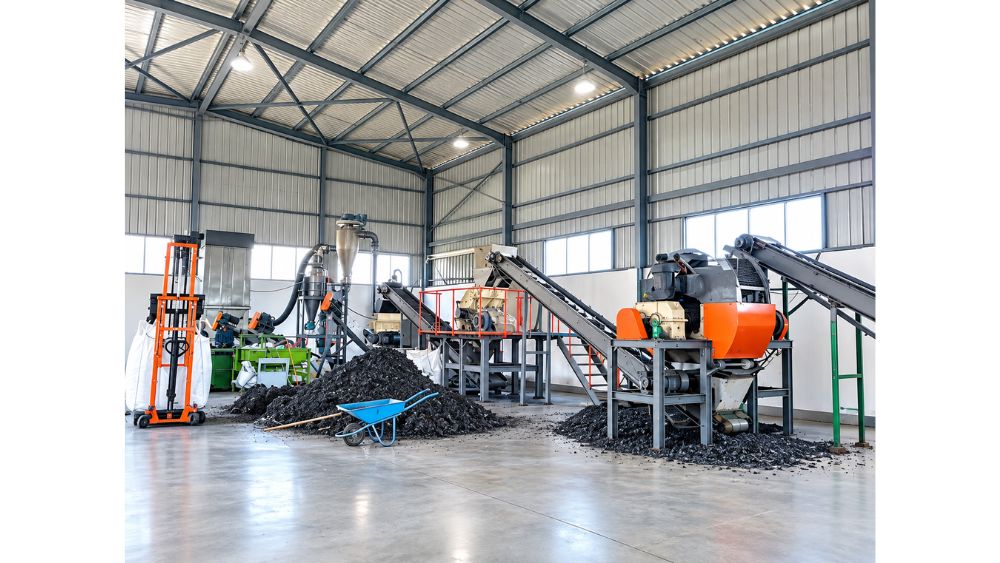
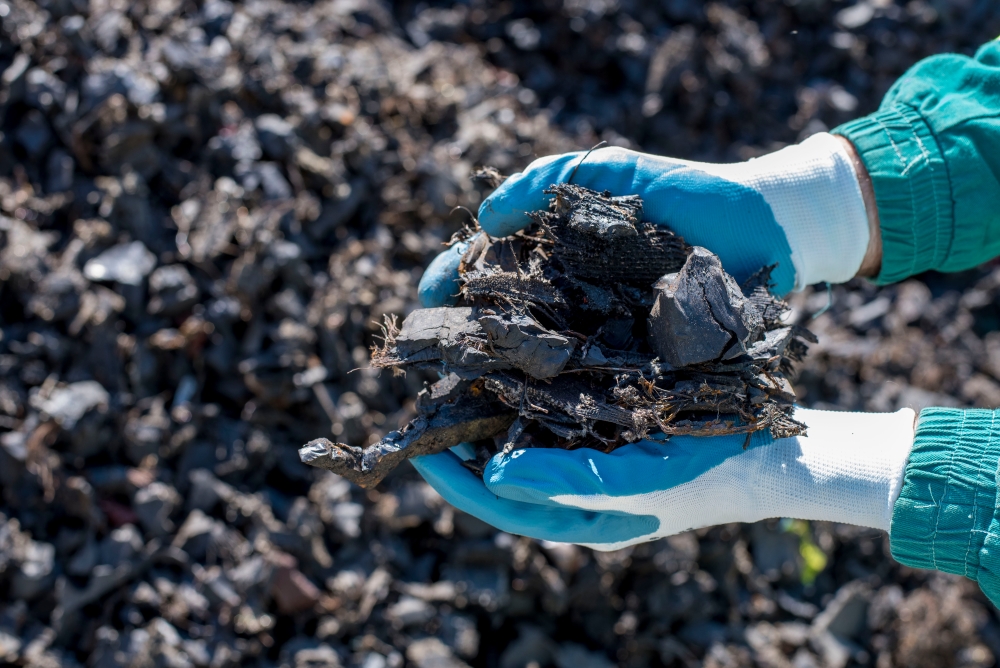
- Granulation (separating rubber, steel and textile fibre): 110,028.7 tonnes
- Cement production: 80,607.8 tonnes
- Pyrolysis: 4,068.9 tonnes
- Electricity generation: 3,132.1 tonnes
- Civil engineering works: 125.1 tonnes
- Protective barriers: 78.8 tonnes
A further 27,489.5 tonnes were prepared for reuse, either resold as part-worn tyres or retreaded, with 14,807.1 tonnes of that going back into the domestic replacement market.
Overall, SIGNUS reports that in 2025, around 10% of tyres were prepared for reuse through the second-hand or retreading markets, extending their service life, while almost 40% were recovered through energy recovery, replacing fossil fuels in suitable industrial processes. The rubber, steel and textile recovered through granulation are going into everyday products: sports surfacing, playgrounds, road construction and building materials, among other applications.
SIGNUS continued backing research into new uses for recycled rubber during 2025. Among the projects under way:
- GREENFU, developing thermoplastic elastomer compounds combined with recycled tyre rubber powder for use in the automotive and construction sectors, run with AIMPLAS.
- PERSEUS, a CDTI-funded project led by CAMPEZO, with ASFALTIA, MOEVE, and SIGNUS also involved, alongside TECNALIA, aimed at developing durable, noise-reducing, porous, elastic road surfacing.
- Technical studies evaluating pyrolysis technologies for recovering materials from both the rubber and textile fractions of end-of-life tyres, carried out with the GAIKER Technology Centre.
- A project on urban road surfacing incorporating rubber, developed with the LabIC research group at the University of Granada.
These projects sit alongside a technical guide on circular construction materials using recycled tyre rubber, produced with the Universidad Politécnica de Madrid’s School of Building Engineering.