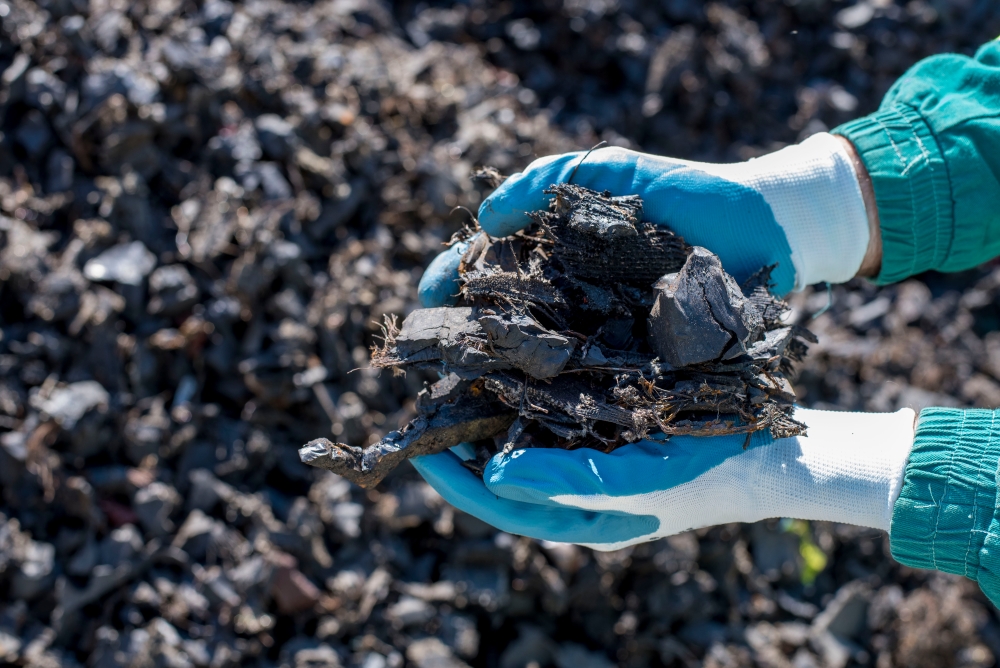
India has approximately 695 tyre pyrolysis units nationwide, of which 440 are complying with the standard operating procedure (SOP) for recycling waste tyre scrap into tyre pyrolysis oil, pyro gas and char, according to figures given by Minister Kirti Vardhan Singh in the Rajya Sabha
Of the 255 non-compliant units in India, 25 have shut down voluntarily, 33 have been closed by state authorities and action has been initiated against the remaining 197.
The numbers mark the latest step in a long-running effort by Indian regulators to bring the tyre pyrolysis sector in India under tighter control. In 2019, the Central Pollution Control Board (CPCB) had already ordered roughly 270 non-compliant units across 19 states to shut down, acting on a National Green Tribunal (NGT) order after a plea alleged that pyrolysis operations were producing inferior-quality oil, gas and char while causing significant pollution. CPCB Chairman SPS Parihar directed state boards to step up vigilance on complying units and warned that failure to submit action-taken reports would trigger further legal consequences.
The CPCB revised its SOP for tyre pyrolysis oil units in January 2025, following renewed parliamentary questions in Rajya Sabha about waste tyre imports and pyrolysis emissions, questions which gained added prominence after BBC File on Four Investigates raised similar concerns in the UK. The CPCB also required older batch-type units to convert to “advanced batch automated process” (ABAP) technology in 2024, categorised as lower-risk “Orange” facilities under the CPCB’s pollution classification system.
India’s Extended Producer Responsibility (EPR) scheme requires tyre manufacturers and importers to take responsibility for a rising share of the tyres they place on the market, reaching 100% by 2024-25, while banning the use of imported tyres for pyrolysis oil or char production.
Together, these measures show that sector regulators are steadily trying to shift from a patchwork of informal, often polluting operations towards a more standardised, better-monitored industry.