Kentucky recycled 77.4% of its waste tyres in 2025, according to the state’s Waste Tire Trust Fund Annual Report, with the report highlighting growing pressure on traditional markets and the need to diversify end uses
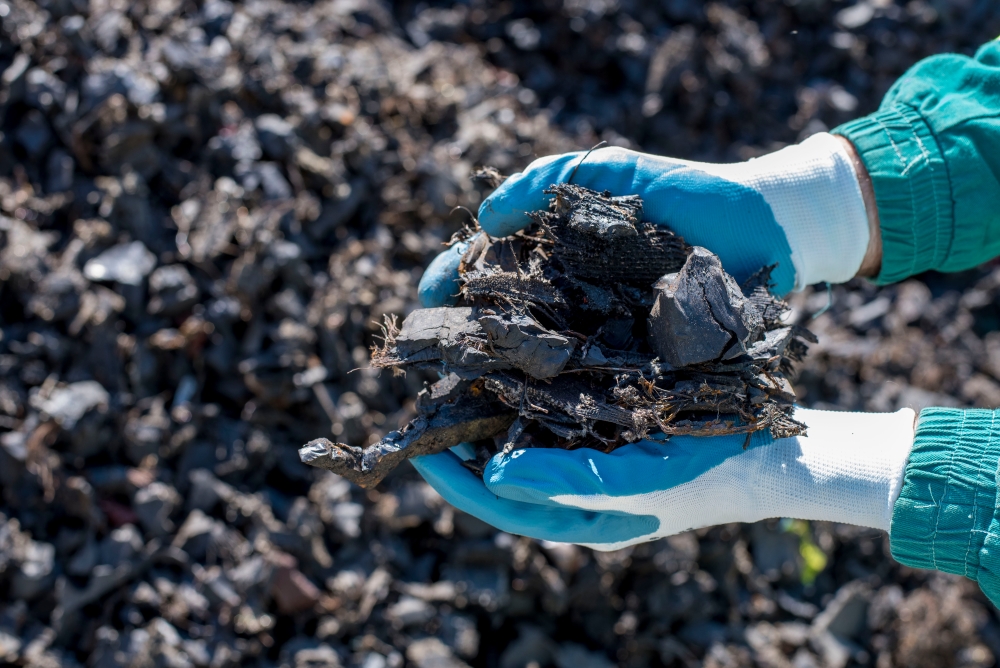
In 2025, Kentucky generated an estimated 59,100 tonnes of waste tyres, which is equivalent to around 4.2 million passenger tyres. The state’s recycling rate slightly declined from 78.2% in 2024, while landfill disposal increased from 21.8% to 22.6%, according to the Annual Report. Ground rubber was the largest end market in 2025, accounting for 29.5% of the waste tyre market in Kentucky, with applications including landscape mulch, playground cushioning, synthetic turf infill and rubber-modified asphalt. Tyre-derived fuel (TDF) represented a further 25.1%; by-products accounted for 15.5%; civil engineering applications represented 1.4%; and 5.9% of waste tyres were resold.
During 2025, Kentucky also provided $1.4 million in grants for projects using crumb rubber and other tyre-derived products, with state users consuming around 3.1 million passenger-tyre equivalents (PTEs) of TDF in 2025, including around 1.5 million PTEs generated from tyres within the state.
The Kentucky Energy and Environment Cabinet said further market diversification will be important as TDF demand potentially declines, identifying civil engineering applications for tyre-derived aggregate as an area with significant growth potential, while noting that shredded tyres currently sent to landfill could be redirected into such applications.
Kentucky also continues to support collection and recycling through its Waste Tire Collection Events, which, during 2025, resulted in the collection of 884,452 PTEs, which were sent to approved processors for recycling into products such as TDF and ground rubber.
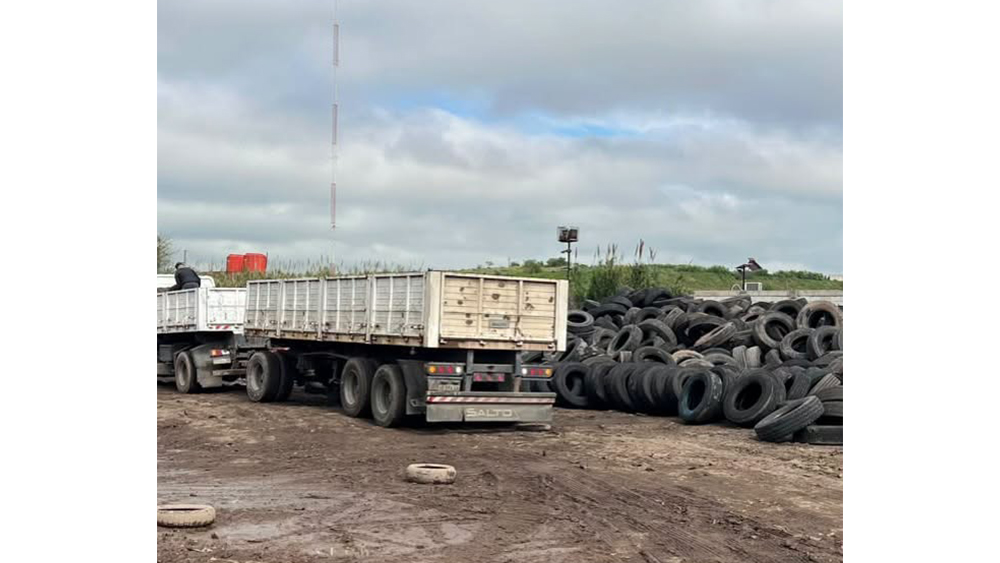
In August 2025, Grant County Fiscal Court voted to terminate its Waste Tire Disposal Agreement with neighbouring Harrison and Pendleton Counties, moving towards shutting down the county’s ageing tyre shredder following repeated equipment problems and safety concerns. At the time of the decision, no replacement processing arrangement was announced, which could affect how tyres are managed across the three counties. The Annual Report highlighted the importance of maintaining sufficient processing capacity and developing a broader range of end markets for Kentucky’s roughly 4.2 million PETs generated annually.
The report concluded that maintaining a high rate of waste tyre recovery will depend increasingly on developing diverse, sustainable markets for recycled tyre materials.