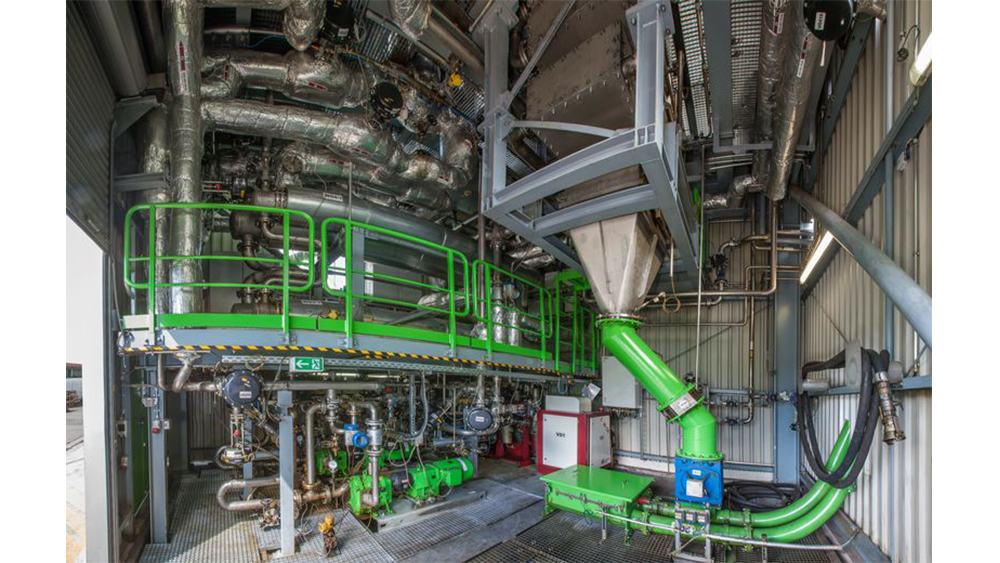

Rubber recovery is a major focus in tyre recycling, but the quality of recovered steel can also affect a facility’s profitability, according to CM Shredders. When steel wire leaves a facility coated in rubber and fibre, its value can be reduced, while potentially saleable rubber is lost with it
“We spend a tremendous amount of time talking about rubber recovery, but the steel stream is where many recyclers are leaving money on the table,” says Mario Vazquez, Sales & Marketing Director at CM Shredders. “If you’re not recovering that residual rubber and maximising your steel quality, you’re not getting the full value out of every tyre you process.:
Steel and rubber are mechanically bonded within tyre construction and separating them efficiently requires more than magnetic separation, which can recover steel but does not necessarily remove all the rubber and fibre attached to the wire.
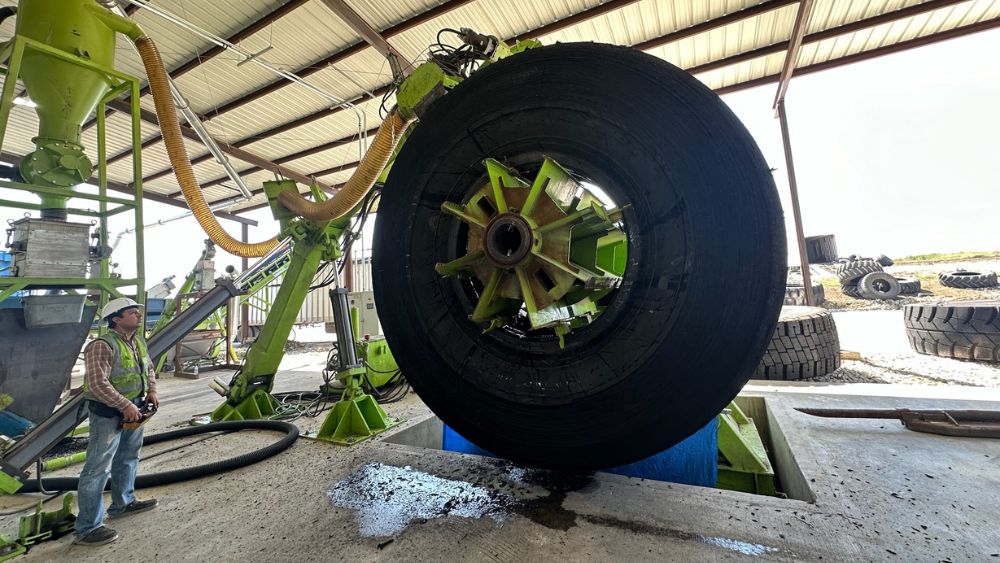
CM Shredders uses its CM Liberator to mechanically free embedded steel using its patented serrated knife design. Internal screens control rubber particle size, while downstream separation equipment divides the recovered materials into rubber and steel streams. But even after liberation, rubber and fibre can remain attached to the recovered wire, which is what the CM Zero Waste Wire Cleaning System was developed for.
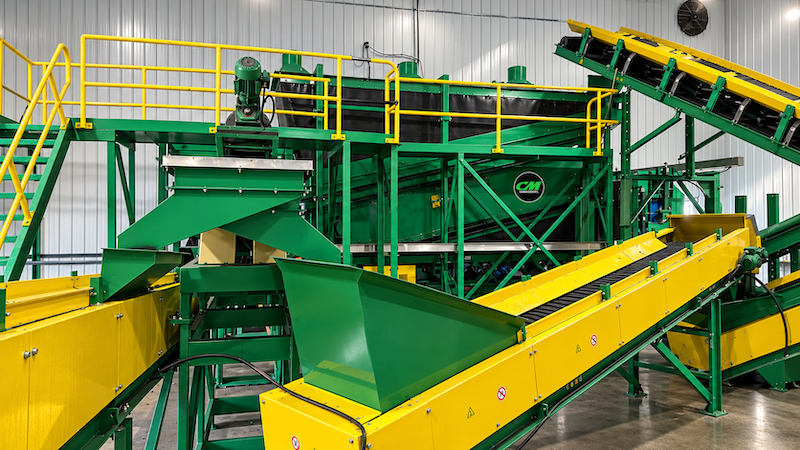
Using secondary screening and magnetic separation, the system further cleans the steel-rich discharge while recovering rubber that would otherwise leave with the steel. According to CM Shredders, the system can achieve steel cleanliness of up to 98%, depending on feedstock and operating conditions, resulting in potentially higher-value steel and additional recovered rubber from the same incoming material.
The potential can be illustrated by a facility processing 20,000 tonnes of tyres annually. Recovering an additional percentage point of incoming material as saleable rubber would represent 200 extra tonnes per year. Cleaner steel can also achieve better market pricing, while additional recovery reduces material losses.
“The goal isn’t just to process more tonnes,” Vazquez explains. “It’s to extract more value from every tonne. Throughput matters, but what really counts is how much saleable material leaves your facility and what it costs to produce it.”
As the tyre recycling industry faces increasing pressure to improve profitability and resource efficiency, extending attention beyond rubber production alone is certainly worth it. Reviewing the material leaving the plant can help identify opportunities to reduce losses without necessarily increasing the volume of tyres processed.