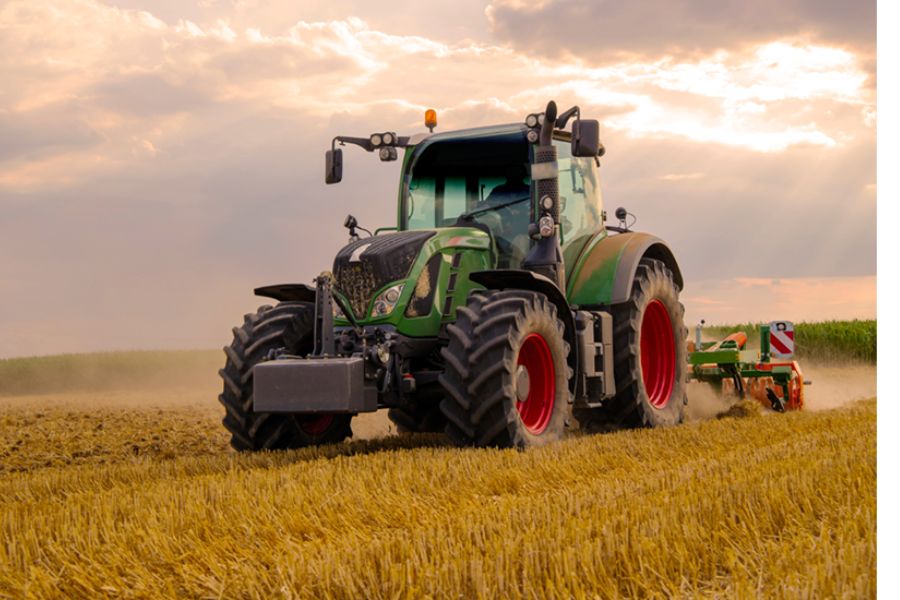
Tratamiento de Neumáticos Usados (TNU) is reminding operators of agricultural and industrial machinery that when purchasing large tyres (over 1,400 millimetres in diameter), the cost of their collection and environmentally responsible treatment at the end of life is already included in the purchase price. Users are therefore entitled to have their used tyres taken back for proper management
Tyre Collection
These tyres, typically fitted to tractors, harvesters and other heavy agricultural and industrial machinery, must not be stockpiled or abandoned. Their collection and treatment are regulated by law and carried out through Collective Extended Producer Responsibility systems (SCRAP), which guarantee compliant environmental management.
Under regulations in force since 2021, when purchasing a new equivalent tyre (one of the same category or intended for the same application as the tyre being replaced), the workshop or supplier is legally required to take back the used tyre, where the invoice or receipt is required.
Furthermore, Royal Decree 712/2025 strengthens requirements for financing, traceability and oversight of these waste streams, including large-diameter tyres, according to TNU. The decree reinforces that their proper management must be ensured through Collective EPR systems. If collection does not take place at the time of replacement, users are entitled to remind the workshop that take-back is a legal obligation, as the cost of managing the used tyre has already been covered in the purchase price of the new one.
Should a user decide to keep an end-of-life tyre temporarily, they must keep the purchase invoice or receipt, which includes the tyre identification code required to arrange collection later through the relevant SCRAP scheme. This ensures full traceability and treatment in line with environmental legislation, preventing environmental harm and potential regulatory breaches.
While stored, the tyre must be kept under cover, in a dry condition, free from standing water, separated from other waste, and away from oils, fuels, solvents or other hazardous substances. It must not be dismantled, altered or pre-sorted and should be stored in an accessible location to allow collection by an authorised waste operator. Inappropriate storage can pose serious risks, including fires, mosquito breeding due to water accumulation, rodent infestation, environmental contamination and potential financial penalties.