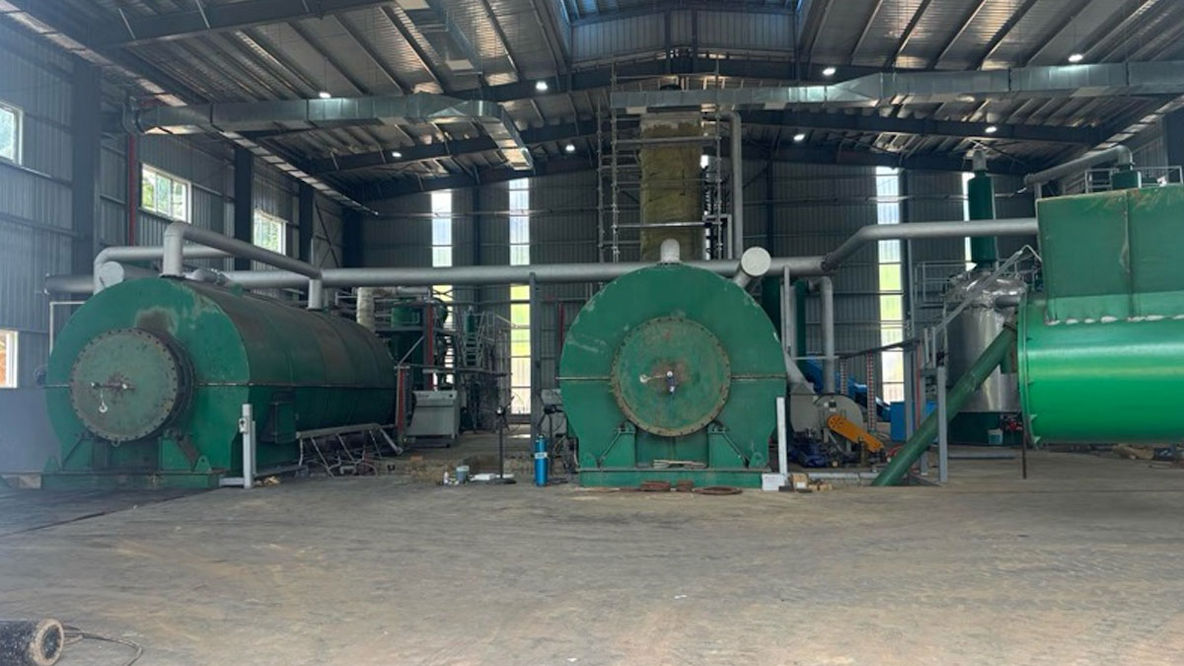
Waste management in Fiji has progressed with the commissioning of the nation’s first pyrolysis processing facility in Wainadoi by Golden Manufacturers. This $10 million initiative aims to convert plastic and tyre waste into fuel oil
According to Lucien Hall, Sustainability Project Manager, the project was established to provide an environmentally sustainable alternative to landfill disposal. Once fully operational, the plant is expected to employ approximately ten personnel and significantly contribute to addressing Fiji’s increasing issue with plastic and tyre waste.
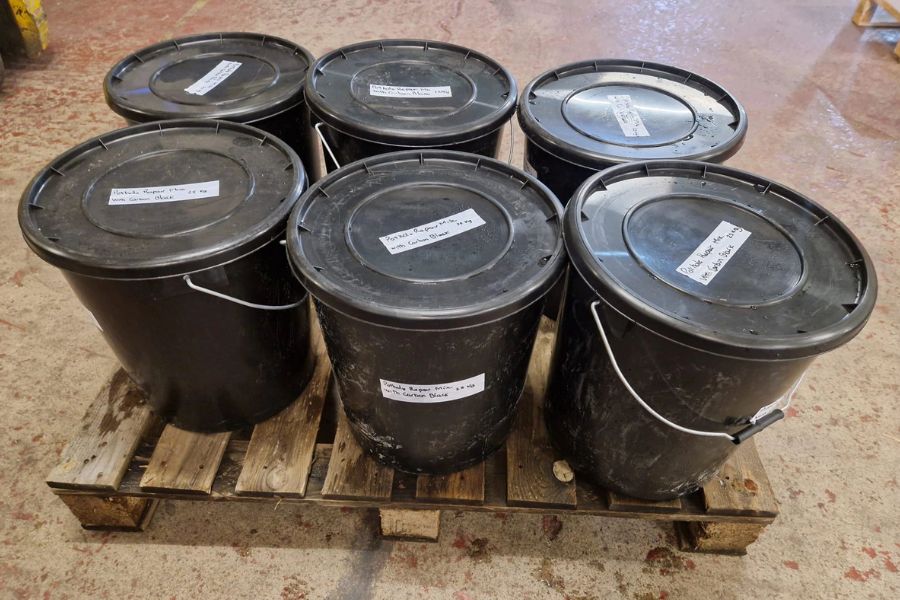
The new facility is capable of processing up to 10 tonnes each of plastics and tyres daily, producing fuel oil that can serve as a substitute for diesel in industrial burners, supply liquid fuel for furnaces and boilers, and power electricity generators. Additionally, the plant will utilise carbon black—a by-product of tyre and plastic pyrolysis—together with waste sawdust and paper to manufacture compressed briquettes. These briquettes can be used as alternatives to firewood and other solid fuels.
Strategically located just over two kilometres from the Naboro Landfill, the site facilitates efficient diversion of waste from landfill disposal to recycling processes.
Full operations are projected to commence in the first quarter of next year upon connection to the national power grid. At present, the facility is powered by a generator, while the team collaborates with Energy Fiji Limited to complete the installation of a transformer and AVR system for high-voltage electricity delivery.
As the first facility of its kind in Fiji, the adoption of this technology presents unique challenges, including sourcing suitably qualified mechanical and electrical tradespeople. The broader environmental benefits of the project include reducing pollution and bolstering Fiji’s tourism sector. Hall encourages both businesses and communities to take collective responsibility for effective waste management.
[Photo Credit: Sustainability Project Manager, Lucien Hall]