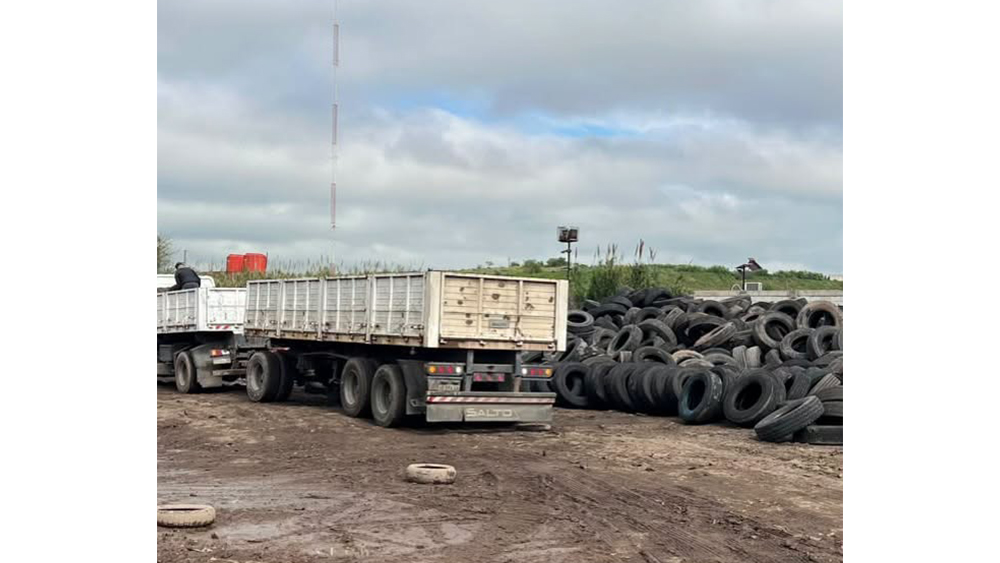

Tyrewise has published its second annual report, showing that New Zealand’s product stewardship scheme has collected more than 65,700 tonnes of end-of-life tyres (ELT), equivalent to approximately 8.2 million tyres
Published on 21 October 2026, the Tyrewise report provides the scheme’s first complete 12 months of collection data, outlining its progress in establishing a national network for tyre collection and recovery.
By the end of the reporting period, Tyrewise had increased its registered partner locations from 4,624 to 5,444, while the number of public collection sites grew by 26% compared with the previous reporting period. A survey also found that public support for the scheme grew from 66% to 77%.
Adele Rose, Chief Executive of Tyrewise Scheme Managers 3R Group, said: “The survey results in the report matter to us as much as the tonnages. Registered partners told us they understand the scheme, feel confident in their roles and rate their transporters highly. Tyre consumers who know about Tyrewise increasingly understand it, and more of them say they recycle their tyres. Those are the foundations a stewardship scheme is built on.”
With its collection network established, the scheme is now focusing on developing domestic markets for recovered tyre materials. Mark Gilbert, Chair of Auto Stewardship New Zealand (ASNZ), the organisation governing Tyrewise, said this was the next priority for the scheme.
One key area is the use of recycled rubber in road construction. An action plan commissioned from WSP aims to address barriers to using rubber-modified bitumen in New Zealand roads, targeting market uptake of 16,000 to 18,000 tonnes.
Tyrewise is also progressing work to support domestic recovery markets through Puna Taurima, its tyre fund, which opened for grant applications in June 2025. Tyrewise considered 33 formal applications in the first round, with contracts for successful applicants still being finalised at the end of the reporting period. Details of grants awarded since then are available through the scheme.
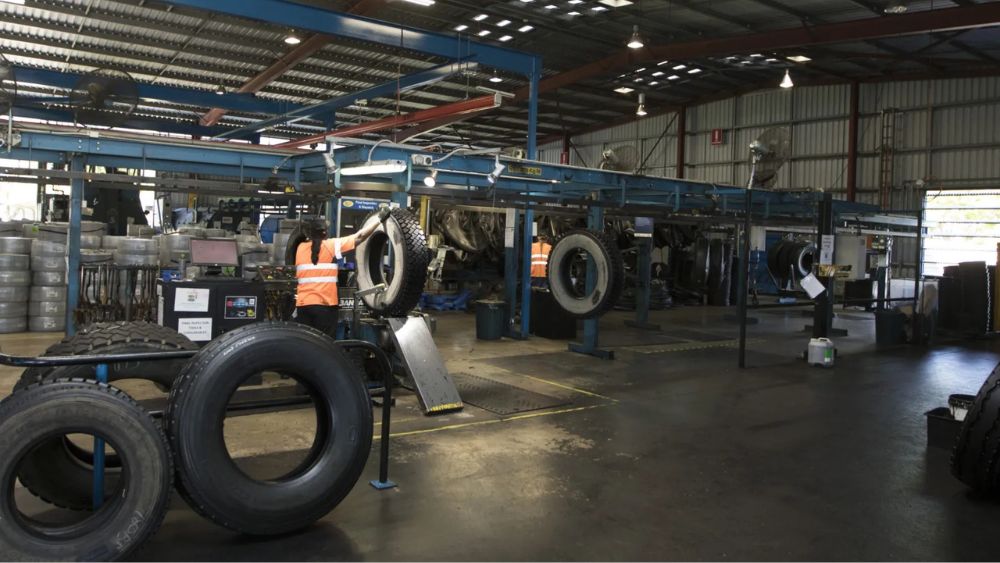
Other priorities include improving transport efficiency, establishing a working group on tyre retreading and updating the scheme’s risk framework based on operational experience.
The second Tyrewise report marks a shift from building the infrastructure needed to collect end-of-life tyres to increasing the value of the materials recovered and supporting a domestic circular economy.