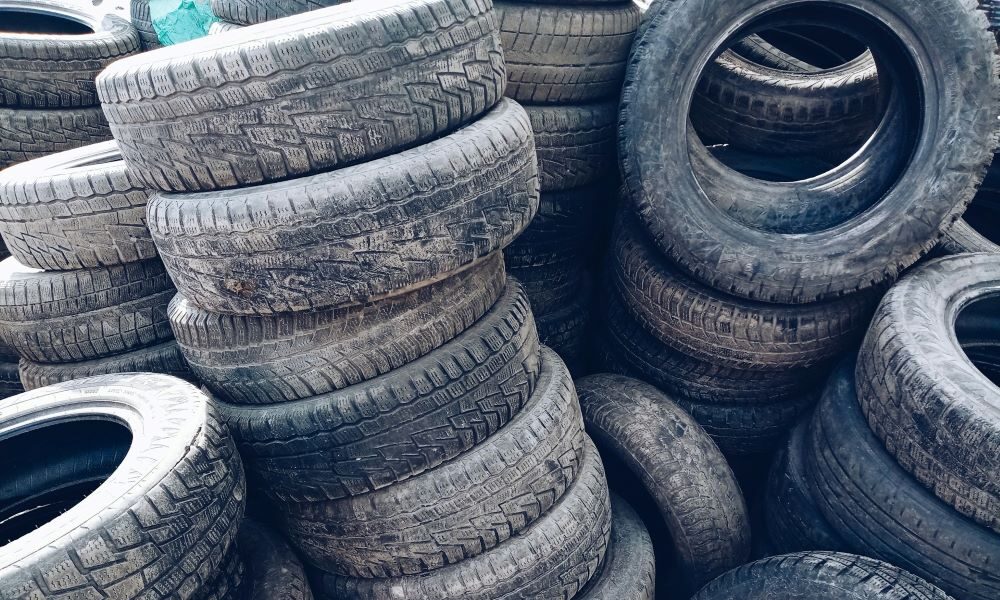

A new study by the California Office of Environmental Health Hazard Assessment (OEHHA) found that crumb rubber made from recycled tyres and used in synthetic turf fields is not likely to pose significant health risks to users or spectators
Background of Crumb Rubber
In September 2023, the European Union introduced a ban on crumb rubber infill under its REACH regulation, coinciding with the ban on intentionally added microplastics, giving member states a transition period until October 2031. REACH was designed to prevent approximately 500,000 tons of microplastics from entering the environment each year.
The decision followed ongoing concerns about the use of crumb rubber in sports fields, where initial investigations focused on the presence of polycyclic aromatic hydrocarbons (PAHs), with studies finding elevated levels even after attempts to reduce them. As research progressed, the European Chemicals Agency’s Risk Assessment Committee (RAC) expanded the definition of microplastics to include any polymer particles smaller than 5 mm, a category that covers most crumb rubber infill.
The Recent Study Conducted by OEHHA
The recent OEHHA study on crumb rubber found no evidence of meaningful cancer risk or other major health concerns for athletes, coaches, referees or spectators, including children and young athletes, based on currently available data.
“This study should ease concerns about the safety of crumb rubber use in synthetic turf fields,” said OEHHA Director Kris Thayer. “Athletes of all ages can use these fields without parents worrying about this commonly used material.”
Synthetic turf fields are designed to replicate natural grass while requiring less maintenance and water, and allowing continuous play without rest periods. These characteristics have contributed to their widespread adoption, including more than 900 installations across California.
Many of these fields use crumb rubber as infill between synthetic grass fibres. The material helps maintain the structure of the turf while providing cushioning and traction during sports activities.
The study was conducted to support California’s sustainability and waste management objectives. The state’s Waste Tire Program focuses on safe tyre management and the development of beneficial uses for materials that might otherwise be sent to landfill. Zoe Heller, Director of CalRecycle, said: “Protecting public health is our top priority, and California is committed to making sure waste tyres are managed safely so they don’t litter communities or pose risks to residents.”
The results of the study don’t change the situation in Europe, but the study adds to the ongoing debate on the global use of crumb rubber in sports fields and surfaces.
Analysis of OEHHA Study
OEHHA analysed 35 synthetic turf fields across California, including both new and older installations and sites located in different climate regions, taking multiple samples from each field, and conducting air monitoring both during active play and when the fields were unused.
The study evaluated more than 100 chemicals that could potentially pose health risks, significantly expanding on previous studies that focused on smaller chemical groups. OEHHA collaborated with researchers at Lawrence Berkeley National Laboratory to simulate sweat and digestion conditions in order to identify possible exposure pathways. Exposure assessments were conducted with researchers from the University of California, Berkeley and the University of Arizona, who analysed how football players might come into contact with crumb rubber through skin contact, inhalation or accidental ingestion.
More than 1,000 football players aged between 7 and 71 were surveyed, using gameplay observations to track interactions with turf surfaces. Data from goalkeepers, who typically have the most direct contact with the surface, was used to estimate risk levels for players, while also assessing potential exposure risks for toddlers who may crawl on synthetic turf.
Based on the data collected, OEHHA concluded that health risks linked to crumb rubber exposure are negligible, finding no significant evidence of acute health risks, including sensory irritation, cancer risk, reproductive harm or impacts on fetal development, for players or spectators using synthetic turf fields.
Commenting on the recent OEHHA study, Genan, a European-based tyre recycler and crumb rubber exporter, wrote on their LinkedIn: “At Genan, we believe that the use of recycled materials in society should always be guided by solid science and transparent data. Studies like this contribute valuable knowledge to an ongoing discussion about how recycled rubber can be used safely and responsibly in society. At the same time, Genan strongly recommends the implementation of effective containment measures to help ensure that rubber infill stays on the pitch and does not spread to the surrounding environment.”
Thomas Womble, CEO of Liberty Tire Recycling, also commented on the study, saying: “This is an incredibly powerful statement from a globally respected health agency that reaffirms the safety of recycled rubber. The report from California Environmental Protection Agency adds to the extensive body of scientific research and gives families complete confidence that recycled rubber is a win-win for their communities and the environment.”