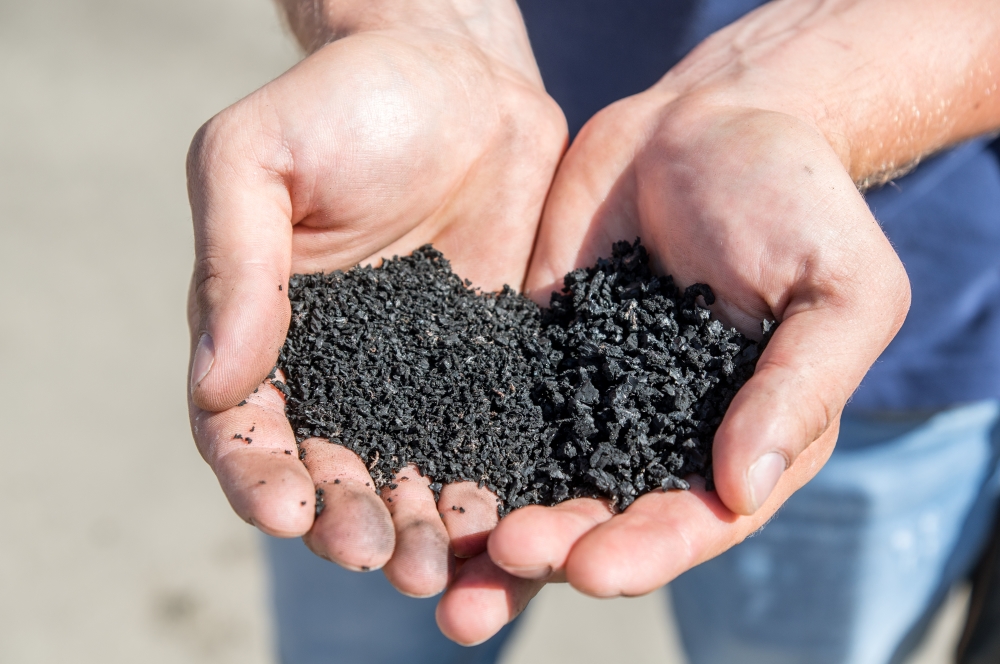
The debate surrounding the safety and health risks of crumb rubber and recycled rubber flooring has unsurprisingly reared its head again with Spain hosting the latest instalment. The latest episode has come to the surface following the launch of a campaign by Ecologistas en Acción (Ecologists in Action) called Parques con Salud (Parks with Health) which has since gathered further momentum with EL PAÍS reporting that the Generalitat de Catalunya had formally incorporated a restriction into the Anteproyecto de la Ley de Prevención y Gestión de Residuos y de Economía Circular de Cataluña (Draft Bill on Waste Prevention and Management and the Circular Economy of Catalonia).
Parques con Salud Campaign Puts Crumb Rubber Safety in the Spotlight
As part of the campaign, the organisation has demanded that local administrations, regional education departments, and managers of sports facilities immediately remove all synthetic rubber and flooring manufactured from recycled tyres from children’s playgrounds, schoolyards, and sports fields due to what the campaign refers to as “a cumulative and cocktail effect of toxic materials” that are “compromising public health – especially that of girls, boys, adolescents, and pregnant women—and the environment.”
This position was supported by Ethel Eljarrat, Director of IDAEA-CSIC (Institute of Environmental Assessment and Water Research of the Spanish National Research Council) in the campaign who said, “Exposure to this type of pollutant does not only occur from playing in the park; it adds to all other exposures at home, at school, in food… it is an extra, added exposure that should be minimised. There is no immediate effect; it is a ‘chronic toxicity’ where effects appear in the medium and long term.”
The emergence of the campaign has since seen SIGNUS, la Federación Española de la Recuperación y Reciclaje (FER) (The Spanish Recovery and Recycling Federation) and el Consorcio del Caucho (The Rubber Consortium) respond by issuing a joint press release aimed at calming these fears by sharing scientific evidence and clarifying regulatory aspects that ensure crumb rubber and flooring manufactured from recycled tyres are installed safely and pose a low or negligible risk to public health.
Toxicity Claims and Heatwave Risks at Heart of Ecologistas en Acción’s Campaign
Returning to Ecologistas en Acción’s campaign, the organisation also referenced the 2031 European directives that will see loose crumb rubber phased out and banned from being used to maintain artificial sports pitches. In the campaign, Ecologistas en Acción stated, “While European directives have already initiated moves to ban granular infill in sports surfaces, a moratorium extends the deadlines to October 17, 2031.
“Why wait if it is already known to be harmful?” questions the campaign. Ecologistas en Acción argues that allowing the installation or maintenance of these floors until that date condemns a generation of children to another decade of unnecessary exposure.”
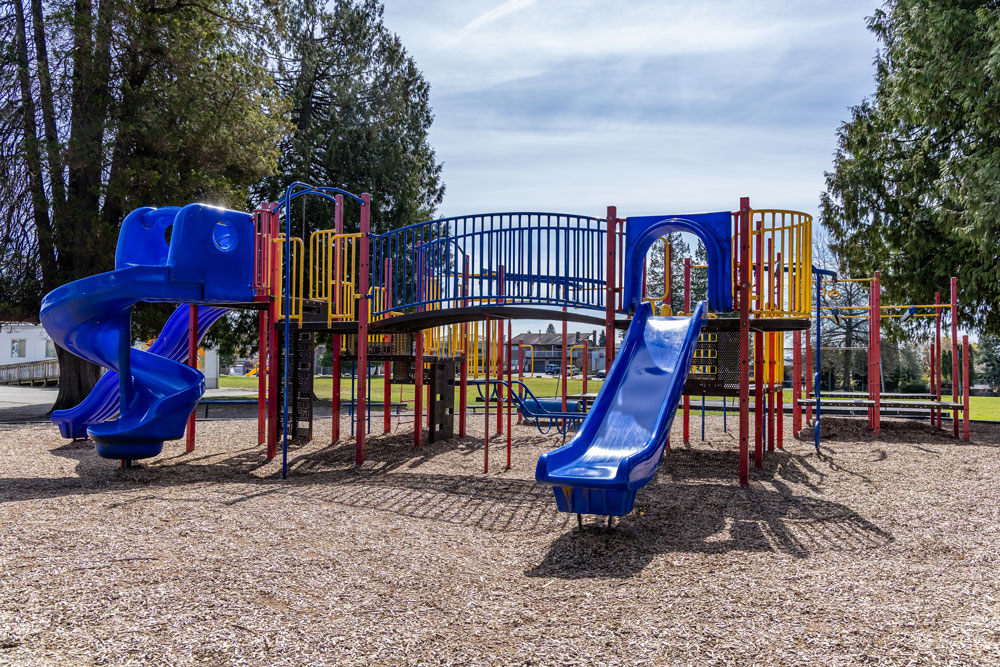
The campaign’s proposal requests that local administrations apply a precautionary approach and replace these floors immediately by using viable alternatives such as grass, sand, soil, wood, stones, or polished concrete.
Those with a keen eye for detail will probably already have read the previous quote a few times and analysed its phrasing, as it could be interpreted as though the 2031 European Directives are being implemented for associated health risks rather than environmental concerns related to microplastic loss. This didn’t go unnoticed by SIGNUS, FER and el Consorcio del Caucho, who underlined that exact point in their communication, “The 2031 European ban mentioned in their report applies only to loose granular infill used in artificial turf sports pitches. It is based on environmental concerns (microplastic loss), not health risks, and does not ban bonded rubber paving in playgrounds.”
Parques con Salud also focused on the climate crisis arguing that with increasingly frequent and intense heatwaves, rubber floors act as heat accumulators and raising radiant heat temperatures whilst also citing environmental risks such as rainwater washing toxic compounds from rubber into the soil, contaminating land and nearby bodies of water.
The campaign’s press release concluded by focusing on three key pillars and actions that they are working on to help build momentum. The first of those includes pilot mapping in Cantabria which sees volunteers collecting data on the collection and location of rubber surfaces to upload to the parquesconsalud.org platform. The second action, named “The Puente Viesgo Model” refers to Puente Viesgo’s commitment to progressively replace rubber flooring in the municipality starting with the most deteriorated, high-use areas with the viable alternatives proposed by Parques con Salud. The third and final action sees the campaign look to develop and expand across Spain to map playground surfaces, gather data and submit replacement proposals to local Governments across the country.
Spanish Bodies Defend the Use of Recycled Rubber in Playgrounds
In the jointly issued press release by SIGNUS, FER and el Consorcio del Caucho, the parties focused on two key areas: analysing the report and responding to the claims made by Ecologistas en Acción and citing independent and institutional studies that investigated the health and environmental risks associated with recycled rubber.
The parties named and summarised the key findings from nine different studies covering a 10-year period between 2016 and 2026. Readers of Tyre & Rubber Recycling will probably already be aware of these studies through their own work or reading our previous reporting and as such we won’t be giving a play by play of each referenced study. However, among the numerous studies referenced in the release, a couple appeared particularly noteworthy:
- 2026 — OEHHA (USA), Synthetic Turf Study: Analysed 35 fields, over 100 chemicals and over 1,000 football players aged between 7 and 71 and found no significant risk for players, spectators, or young children.
- 2024 — US EPA, Federal Research Action Plan: Evaluated chemical exposure levels for crumb rubber and supported the low-exposure findings of European agencies (RIVM and ECHA).
- 2017 — ECHA (European Chemicals Agency Annex XV Report): Concluded that playing on synthetic surfaces with recycled tyre rubber is a “very low level of concern” and had no reason to advise against playing on these surfaces.
- 2017 — Washington State Dept. of Health / Univ. of Washington: Mapped cancer incidence rates among football players aged 5 to 24 against the general population and found no higher-than-expected cancer incidence among these athletes.
- 2017 — RIVM (Netherlands): Assessed 100 sports fields in the Netherlands and analysed the health risks for athletes and children who ingest, inhale or come into contact with rubber granulate and found that the health risk was “virtually negligible” across all evaluated ages, with no scientific link or increased incidence to leukemia or lymphoma.
Following this, the press communication dedicated a few paragraphs covering the regulatory landscape specifically EU REACH and EU End-of-Waste criteria that shapes the use of rubber granules in playgrounds whilst also applying strict safety thresholds. This regulatory framework, whilst a minefield does come into sharp focus shortly when we consider the moves being made by the Catalonian Government.
Firstly, the parties referred to Regulation (UE) 2021/1199 and EU REACH Annex XVII Entry 50 which has been in effect since August 2022. This regulation sets a strict maximum of 20 mg/kg for the sum of 8 PAHs (Polycyclic Aromatic Hydrocarbons) in rubber granules used in sports and play surfaces. Now, according to another of the referenced studies, the ERASSTRI investigation, which was published in 2020, stated that recycled tyre rubber used in synthetic turf and safety surfaces typically measures even lower within the 5-12 mg/kg range, which, needless to say, is comfortably below the legal limit.
On this point, Ethel Eljarrat, Director of IDAEA-CSIC was quoted by EL PAÍS and said: “Those values they establish do not convince the scientific world. Legal does not necessarily mean safe. The most recent example occurred with bisphenol A. The EFSA, the European Food Safety Authority, set a safe amount of bisphenol A in 2015, but based on new scientific evidence, they were forced to lower that value by 20,000 times. Safe values must always be taken with a certain degree of caution.”
Secondly, and crucially, the focus turned to End-of-Waste status, which is governed by Spanish Ministry Order Orden TED/1522/2021 and Article 6(1) of Directive 2008/98/EC in the EU Waste Framework Directive. The directive states that rubber granulate and powder derived from end-of-life tyres (ELTs) are officially recognised as reaching End-of-Waste status specifically for playgrounds, sports tracks and safety flooring when they fulfil specific criteria: market demand, technical standards, use for a specific purpose and critically an absence of adverse impacts on human health and the environment. Consequently, the current regulatory framework and the public administrations themselves have formally certified that recycled rubber in these surfaces are safe.
Cataluña’s Draft Law Heading for Collision Course with EU and National Regulations
Despite the attempts by seen SIGNUS, FER and el Consorcio del Caucho to allay fears regarding the use of these surfaces in children’s playgrounds, the campaign has seemingly picked up speed following reports by EL PAÍS that Cataluña’s draft bill proposes prohibiting the use of recycled tyres as a material for flooring, tiles or any other type of pavement applied in schools, playgrounds, children’s recreational areas and sports centres.
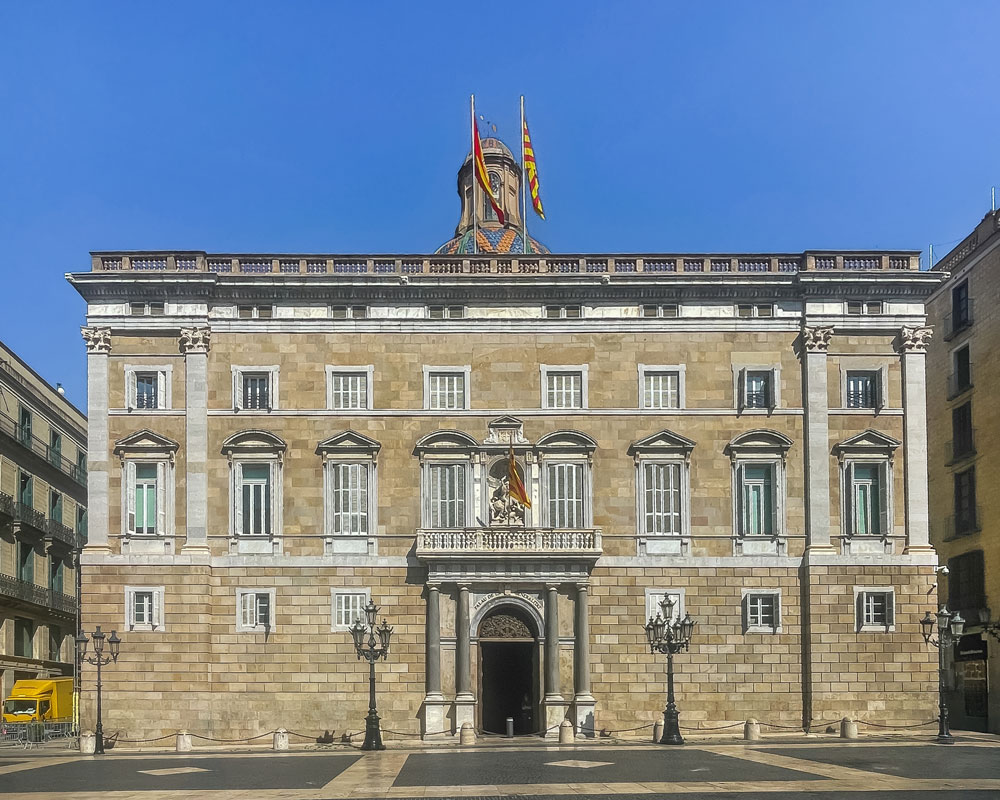
At the time of publication, the law had not been approved, however if it is passed it would directly challenge EU Reach Limits, Spanish Federal laws and the EU Waste Directive. We would have a law that bans the use of these materials under a precautionary principle, but legal and regulatory national guidelines that state that the use of these materials are safe. We’ll leave that legal quagmire for the lawyers to resolve.
Overall, though, the example has not spread to other administrations in Spain according to EL PAÍS. The reporting revealed an absence of coordinated action across Spain’s national and regional administrations, whilst federal ministries confirmed that the Ministry of Health is not developing specific restrictions. This is something that Ecologistas en Acción will be trying to resolve if the campaign is to have success.
Following the publication of EL PAÍS’s report on the 24th of October, the left-wing political coalition, Izquierda Unida in Puertollano will be presenting a motion to end installing rubber surfacing in new playgrounds and gradually replace existing surfaces. The motion and action points to the Parques Con Salud campaign as a reference and looks to mirror Puente Viesgo’s actions by progressively substituting these surfaces, prioritising those in the worst state of deterioration and areas of high usage, as well as mapping the location of these parks using these surfaces.
Science, Scrutiny and the Industry’s Response
So, where does that leave us? As we have stated before, no one can deny that tyres contain toxins and that those materials can be released into the environment. We know that rubber immersed in water can leach material into the waterways, which is why we have seen campaigns to remove tyre reefs. Scott Gerber from the Better Play Initiative, an educational campaign in the United States aimed at providing data and information regarding recycled rubber surfaces, touched upon this in the Tyre Recycling Podcast a year ago when he stressed the importance of good field design and drainage to prevent contaminants escaping into the environment.
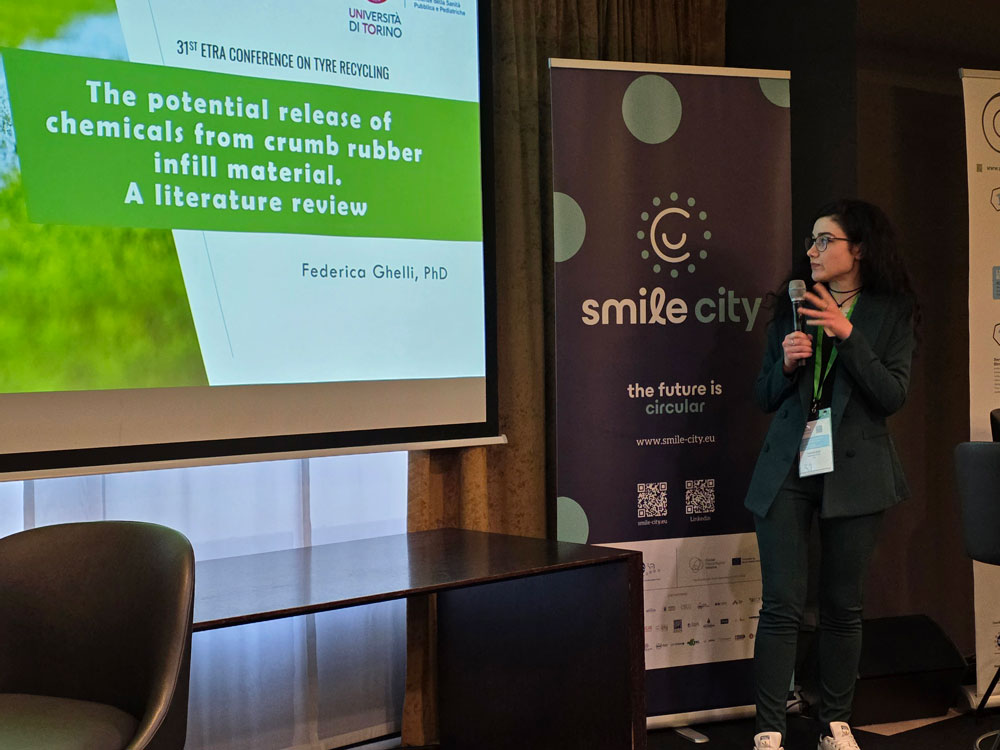
However as illustrated by SIGNUS, FER and el Consorcio de Caucho in this case there are numerous studies out there that suggest the presence of these materials in these floorings and surfaces provide a negligible or low risk. Conversely, that doesn’t mean the debate is over. Federica Ghelli, a researcher from the University of Turin, presented her study of the published literature at The ETRA Conference earlier this year and concluded that “there was no conclusive evidence either way” and that “further research was required”.
Science is constantly evolving and pressing forward, new technologies and methodologies come to the fore, and we should always be testing and studying these cases to learn more about our materials and products. This is an approach that we have applied across industries and throughout human existence by our earliest and most famous mathematicians and scientists. It’s an approach that businesses use to continuously improve their own products and safety.
As for environmental activism, the industry and even this magazine are in a curious position. We operate in an industry where we are trying to resolve an environmental problem. We are, in essence, environmental activists ourselves, especially when we complain and correctly call out our governments for not adequately supporting our domestic recycling and retreading sectors and in some cases, as we have seen recently in Ontario and South Africa, making the crisis worse. So, naturally, it feels personal when activists challenge the sector and as we see it as an attack by one of our own. However, the industry should not fear that challenge. The industry should welcome fair and robust questioning, as ultimately it will feed into making their products safer and of an even higher quality, which is crucial when we consider the growing trend towards green public procurement.
We will see you again shortly for the latest round of the crumb rubber debate.