The Directorate-General for the Economy (DGE) wants to reinstate the Ecovalor exemption for retreaded tyres, which will no longer benefit from this measure in 2026. This position was set out during the 24th Valorpneu Meeting, held on 27 and 28 October in Ílhavo, where new developments in the management and recycling of used tyres in Portugal were also presented.
DGE Calls for Full Exemption
Gracinda Marote, head of the Sustainability and Circular Economy Division at the DGE, said the agency intends to renew its call for a full exemption from the financial levy, as part of a future review of Ministerial Order No. 150/2024 of 8 April. The order stipulated that retreaded tyres, which were previously exempt, would be subject to 90 per cent of the Ecovalor applicable to new tyres.
Marote explained that the DGE opposed the introduction of this charge, as it considers it to discourage circularity and the extension of tyres’ useful life, without identifying any environmental or financial benefits to justify it. “Our intention is, in fact, to reintroduce the exemption or, alternatively, the 100 per cent rebate on the financial contribution,” said Marote, adding that the issue is likely to be discussed again during the review of the ministerial order, which she acknowledged could take place by the end of the year.
Also present at the meeting, Mafalda Mota, head of the Specific Waste Streams and Waste Market Division at the Portuguese Environment Agency (APA), explained the amendments announced at the time of the meeting to the General Waste Management Regime, which seek to clarify the legal framework for collection centres and which were scheduled to come into force on 1 November.
The amendments stipulate that entities managing specific waste streams may operate collection centres either directly or through third parties, an issue that has raised doubts about the legislation’s application. She also distinguished between the obligations of centres that only carry out preliminary storage and those applicable to operators licensed for treatment operations, who are subject to specific qualification requirements.
Mota noted, however, that the amendments relating to the scheme for specific waste streams, known as UNILEX, had not yet been published, as harmonisation between the two pieces of legislation remained to be finalised.
European Ecodesign Requirements
The future European framework was another key topic. According to Marote, tyres are included on the list of priority products under the European Regulation on the Ecodesign of Sustainable Products.
The European Commission has commissioned a study on possible ecodesign measures applicable to tyres, which is due to be presented in November. This study is expected to form the basis for defining future requirements regarding the design and sustainability of these products.
There are also plans to introduce information on the composition, performance, and other characteristics of tyres via the Digital Product Passport, which should facilitate access to relevant data for consumers, authorities, and waste management operators, including during the treatment and recycling stages.
Valorpneu Expects to Collect 95,000 Tonnes in 2026
In her review of the company’s activities, Climénia Silva, managing director of Valorpneu, said the company expects to collect and recycle 95,000 tonnes of used tyres by the end of 2026, an increase of around 6 per cent from the 89,508 tonnes recorded in 2025.
This estimate comes in a year marked by stronger-than-expected growth in the tyre market, increasing pressure on collection centres, transporters, and recycling operators. “The replacement market alone grew by 14 per cent,” said Silva, referring to developments in the first half of the year. Valorpneu estimates that 116,000 tonnes of tyres will be placed on the market in 2026 and that the collection rate will reach 104 per cent.
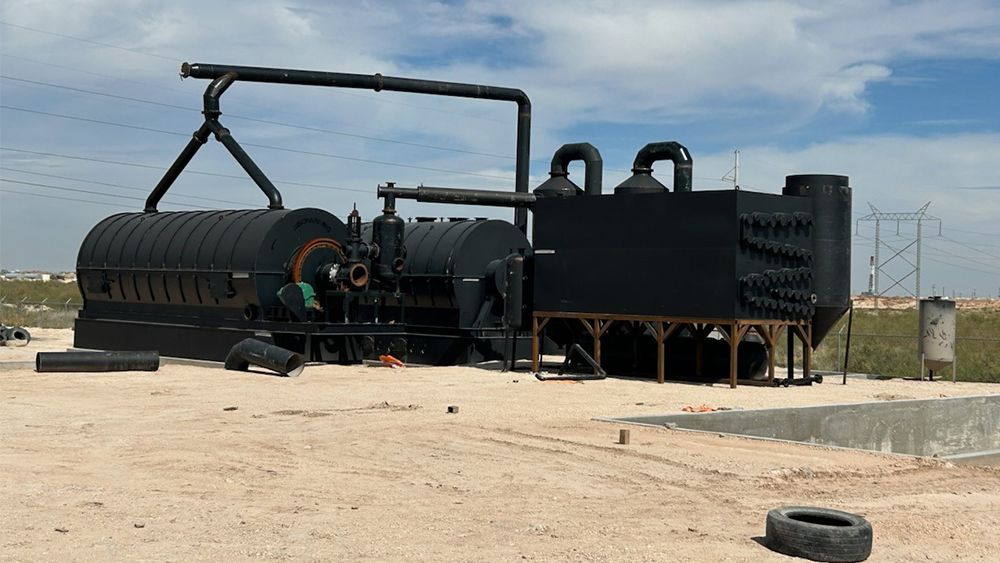
To cope with the increase in volumes, the managing body has been seeking to expand the available recovery facilities. According to Paulo Silva, head of Transport Logistics and Recovery at Valorpneu, the capacity of the two national recycling operators, Genan and Biogoma, could reach 80,000 tonnes by 2027, with projected capacities of up to 50,000 and 30,000 tonnes, respectively.
The recovery network has also gained an additional recycler, an energy recovery operator, and a shredder, while the retreading network has seen two operators removed.
NextLap Innovation Programme
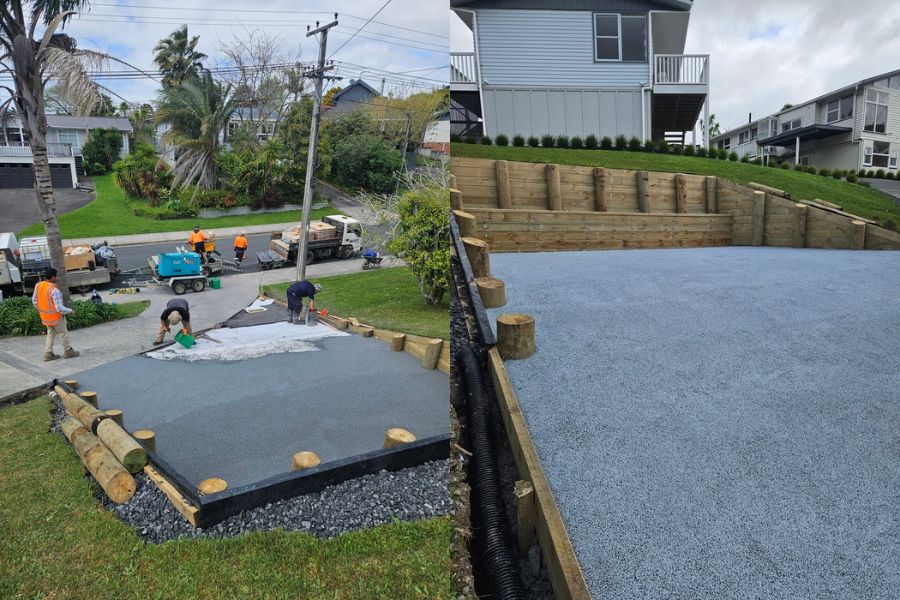
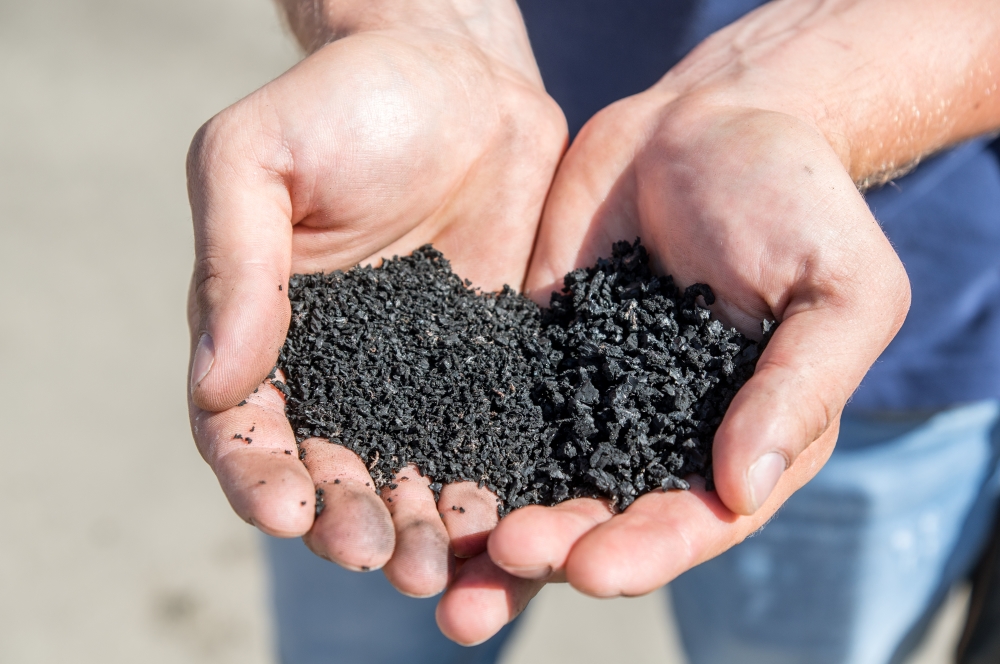
The meeting also provided an opportunity to learn about developments at the NextLap Tech Hub, an innovation programme developed by Valorpneu in partnership with Beta-i, which seeks to find new applications for materials derived from used tyres. Now in its fifth edition, the programme is nearing the market launch of its first product, developed over the last five years, as the initial ideas competition model has evolved into a process for monitoring solutions and pilot projects with commercial potential.
This year’s edition also features the NextLap Connect digital platform, launched in May, which centralises the participation of companies, partners, and solution providers. The tool enables the definition of industrial challenges, the identification of proposals, the monitoring of pilot projects, and the facilitation of collaboration among participants.
The sectors involved include construction, insulation materials, rail and road infrastructure, and waste management. A new call for innovation projects was scheduled for the first week of November, aimed at identifying solutions with potential for industrial and commercial application.
As is customary at Valorpneu’s annual meetings, the Performance Award was presented, recognising best practice among used tyre collection centres. This year, the award went to Ribeiro & Filhos. At this year’s event, Valorpneu also presented, for the first time, the Merit and Distinction Awards, which recognised the LNB Recicla and Palmiresíduos centres for their performance within the collection network.