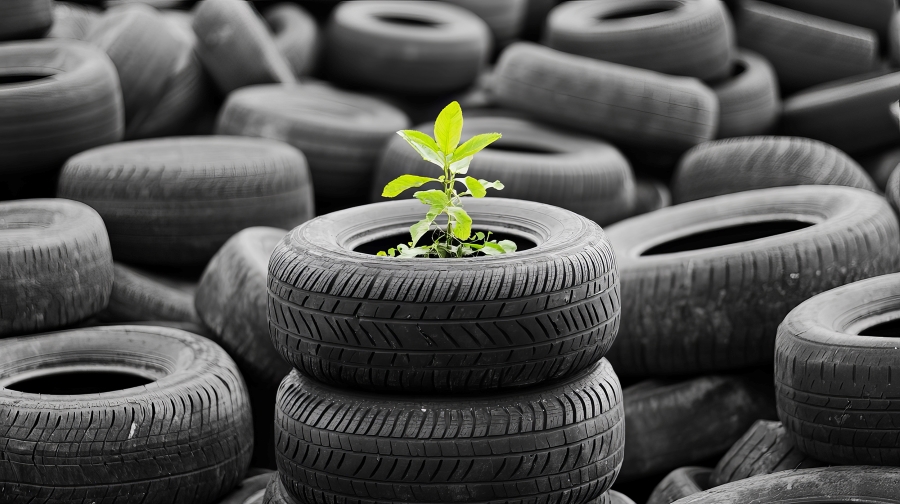
On the World CO2 Emissions Reduction Day, TNU highlighted the importance of end-of-life tyres (ELTs) management as one of the most effective and readily available tools to reduce emissions, save resources and advance towards a circular economy in the mobility sector
ELTs in Spain
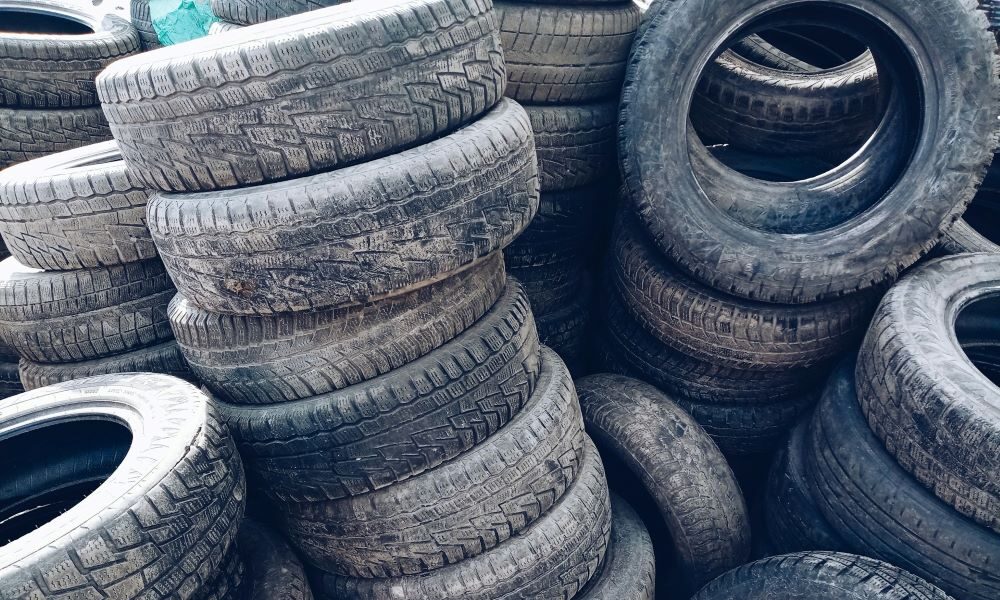
According to TNU, Spain successfully manages more than 315,000 tonnes of ELTs each year, equivalent to around 25 million tyres. Their correct management prevents the emission of approximately 1.38 million tonnes of CO2 annually, in addition to generating significant savings in energy, water and raw materials. These savings occur both at the industrial stage and along the upstream materials supply chain, helping to reduce pressure on natural ecosystems and preserve their capacity to absorb CO2.
Among the different ELT management options, reuse and retreading stand out for their high environmental efficiency, TNU stated. Energy and environmental efficiency studies carried out by Miguel Hernández University show that retreading prevents between 50% and 60% of the CO2 emissions associated with the production of a passenger car tyre, representing an average reduction of between 25 and 30 kg of CO2 per tyre. This is accompanied by energy savings of close to 70% and a reduction of up to 75% in raw material consumption.
For bus tyres, the positive environmental impact is even bigger: retreading can prevent up to 75% of the CO2 emissions associated with manufacturing a new tyre, equivalent to savings of approximately 120 to 150 kg of CO2 per tyre, alongside significant reductions in energy, water and raw material use.
Green Public Procurement
Green public procurement is a key instrument for accelerating these environmental benefits. In Spain, public administrations and public companies manage more than 1.2 million vehicles, including passenger cars, vans and large transport fleets, with urban and interurban buses accounting for a particularly significant share due to their high annual tyre consumption.
For example, the urban bus fleet of EMT València, comprising around 480 vehicles, illustrates the potential of these measures. Retreading one set of tyres per bus would prevent up to 75% of the CO2 emissions associated with their production, translating into a reduction of approximately 360 to 450 tonnes of CO2 in a single tyre replacement cycle for this urban fleet. In addition to the environmental benefits, tyre retreading offers significant cost savings of between 30% and 40% compared with new tyres.
Integrating green public procurement criteria into tyre purchasing would reduce emissions, lower resource consumption and reinforce coherence between sustainable mobility policies and climate objectives. Moreover, this approach would support national retreading companies, a strategic industrial sector that generates local, specialised employment and is currently under strong pressure from imports.
Green procurement not only delivers environmental benefits, but also strengthens the positive social and economic impact associated with a local, circular economy.