
Oman Cement is expanding its use of alternative fuels and raw materials as part of a wider push to cut both emissions and production costs, according to the company’s board report for the first half of 2026
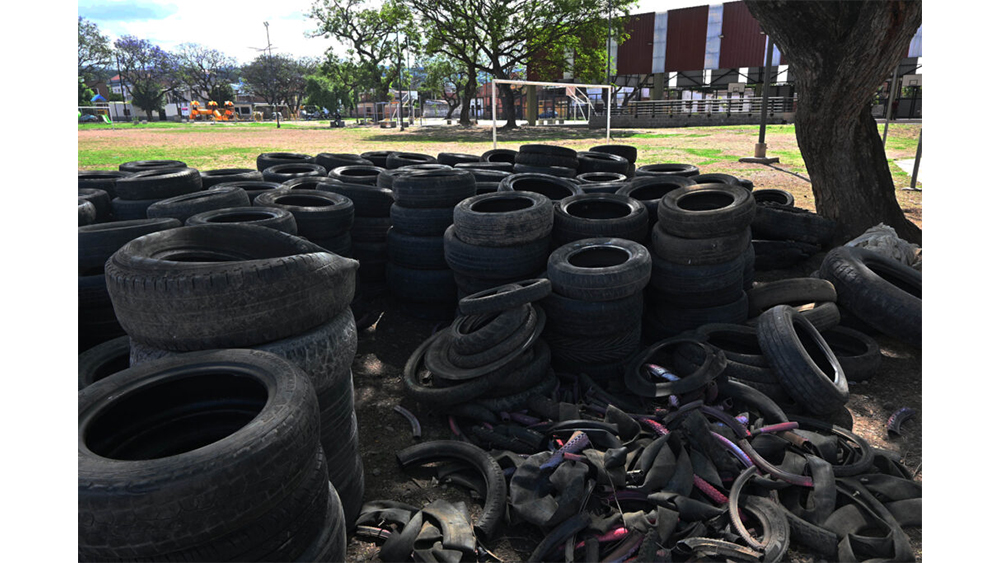
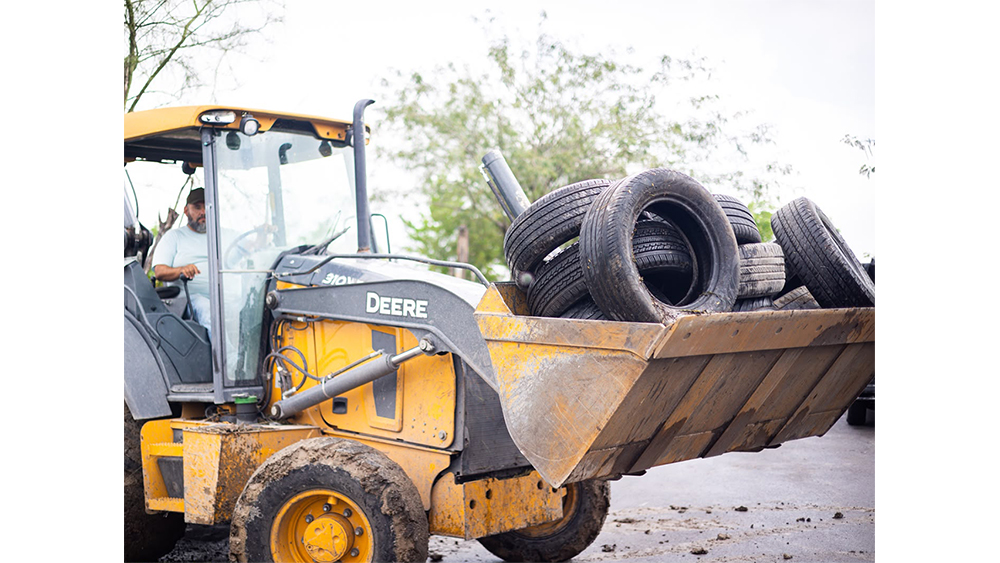
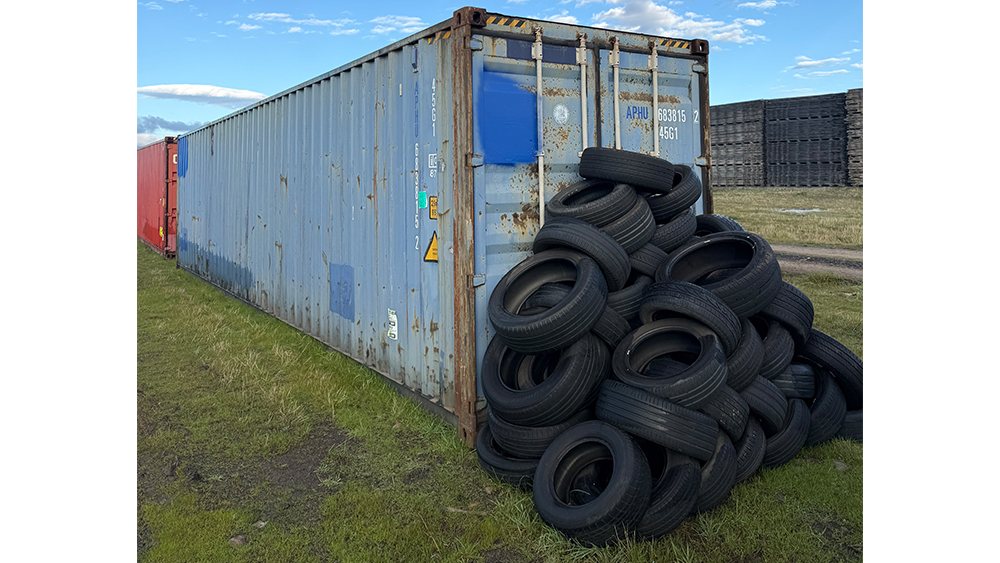
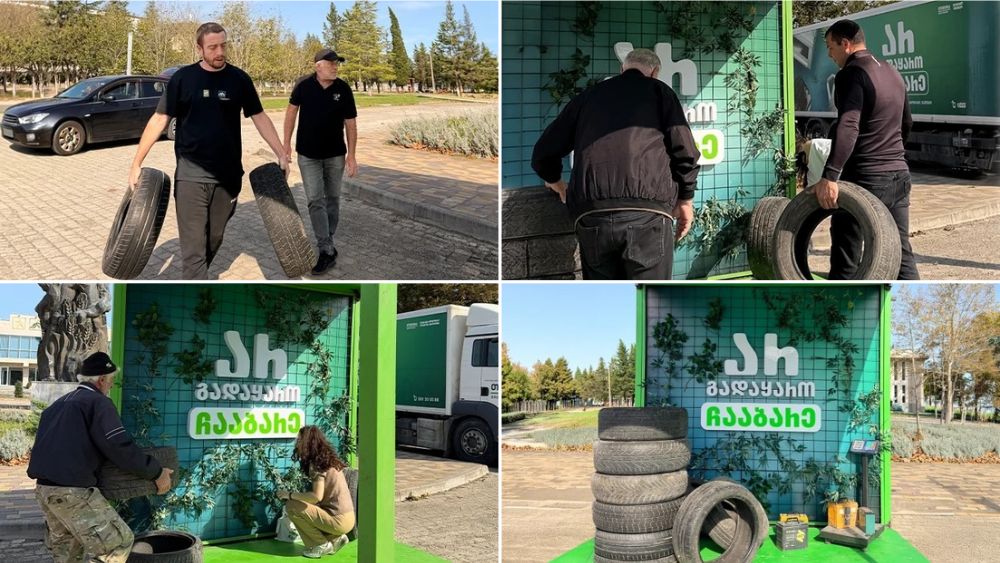
The Misfah-based manufacturer said it is working to raise its Thermal Substitution Rate (TSR), the share of thermal energy in its kilns coming from non-fossil sources, by expanding its use of tyre-derived fuel (TDF), recovered carbon black and oil sludge.
Oman Cement is also working with government authorities on pre-treating and co-processing municipal solid waste, aiming to convert the combustible fraction into refuse-derived fuel or solid recovered fuel that can substitute for coal or petroleum coke in the kilns, thereby reducing landfill volumes.
Chairman Xu Gang said Oman Cement is also progressing plans for an aggregates business built on surplus crushing capacity, intended to diversify revenue and lay groundwork for a future move into ready-mix concrete and mortar. A separate proposal for a new cement plant in Duqm, with a clinker capacity of 5,000 tonnes per day, remains under consideration.
The sustainability push comes alongside solid first-half results: cement sales rose 7.9% year-on-year to 1.761 million tonnes, revenue increased 14.9% to RO 38.06 million, and net profit climbed 41% to RO 6.70 million, up from RO 4.75 million a year earlier.
Tyre-derived fuel is already well established in cement production across the Gulf. UAE cement factories started adopting recycled rubber as an alternative fuel as early as 2015, known for its high calorific value, with demand later spreading to buyers in neighbouring markets, including Pakistan. Cement kilns remain among the largest global consumers of end-of-life tyres, valued for absorbing large volumes of scrap material while offsetting fossil fuel costs, a dynamic Oman Cement’s own strategy now looks to tap into.
Sources: Oman Observer; Oman Cement Company SAOG Board of Directors’ Report, H1 2026