Lawmakers in Neuquén, Argentina, have introduced a bill that establishes a provincial waste tyre management plan, aiming to reduce their environmental and public health impacts through controlled collection, recycling and responsible disposal
César Gass (JxC-UCR), together with lawmakers from several other political groups, submitted Bill 18,515 on 10 August, hoping it would establish a Provincial Waste Tyre Management Plan, covering the collection, reuse, recycling and final treatment of waste tyres.
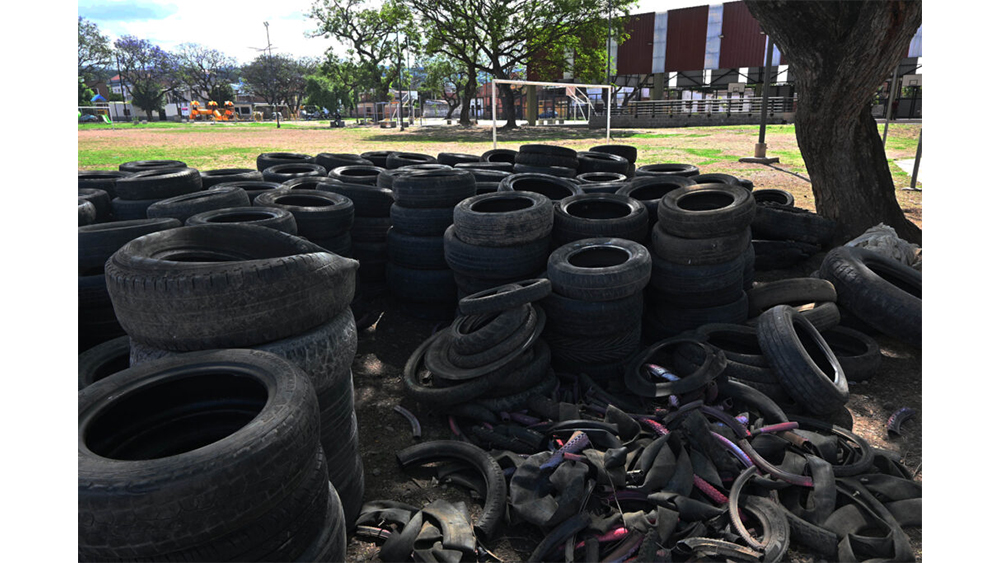
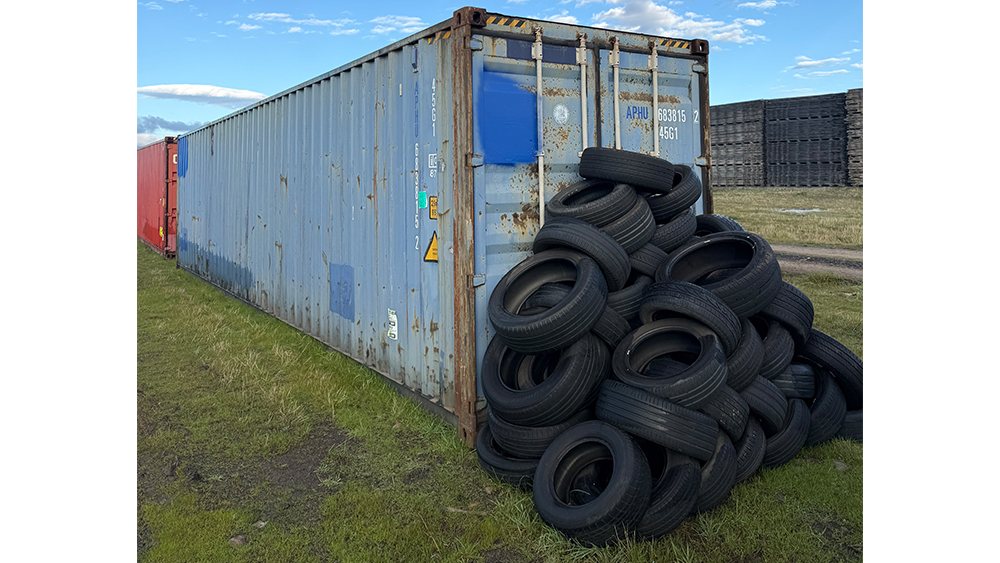
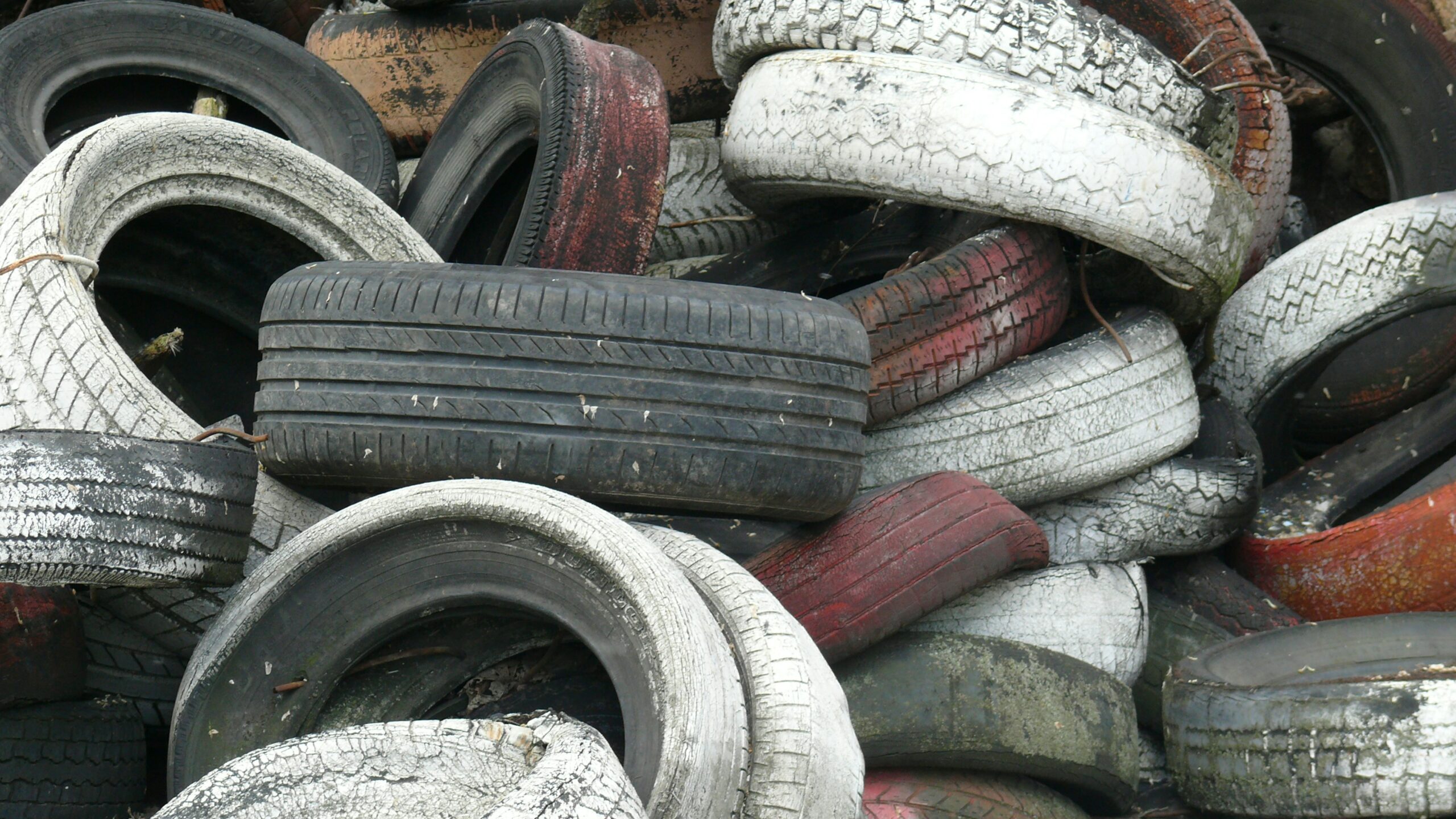
Under the proposed legislation, it would be prohibited to store waste tyres near natural water sources, accumulate them outdoors, bury them, dispose of them in rubble or construction-waste sites, abandon them in public spaces or burn them in the open, as well as to transport or dispose of waste tyres with other hazardous waste.
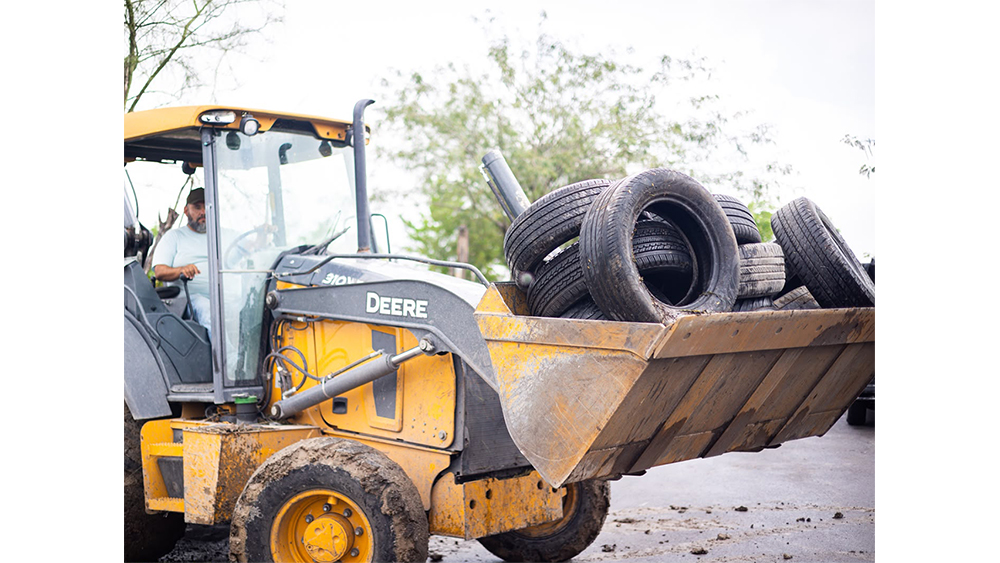
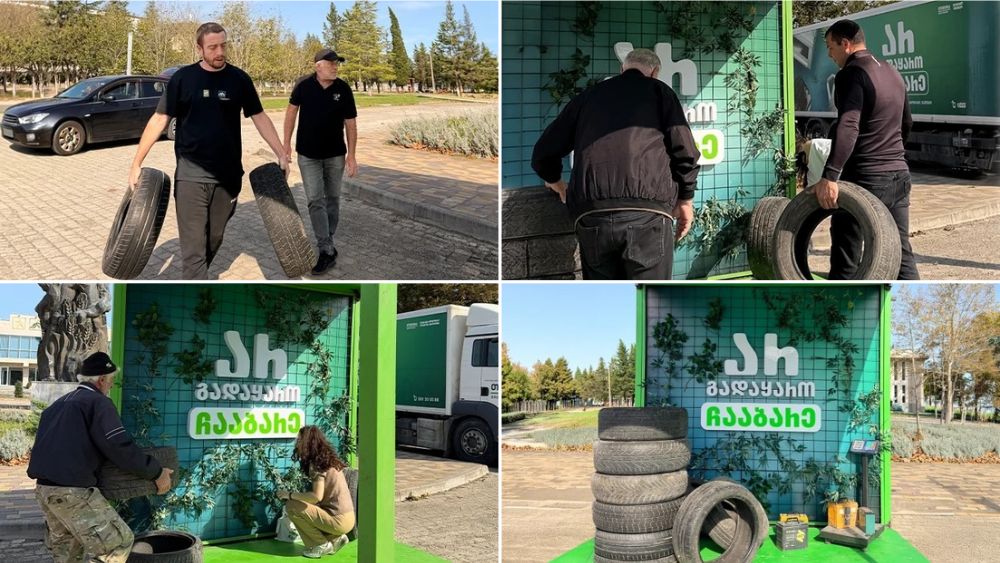
Tyre manufacturers, importers, distributors and retailers would be required to accept used tyres and store them at designated collection sites established by the provincial government. The tyres would then be subject to a reuse, recycling and final-treatment system established by future regulations, without being permitted to charge customers additional fees for accepting the tyres.
The proposal also calls for the establishment of a Provincial Waste Tyre Fund to finance and encourage the infrastructure and activities required under the scheme. Funding would come from government allocations, inspection and control fees on tyre sales, donations and contributions, as well as fines imposed for violations.
Non-compliance could result in warnings, fines ranging from 10 to 100 JUS, suspension of operations for between one month and one year, revocation of authorisations and closure of facilities. The bill would also provide tax incentives for businesses involved in sustainable tyre management.
According to the bill’s authors, Argentina generates more than 140,000 tonnes of waste tyres annually. Improperly discarded tyres occupy significant amounts of space and can take hundreds of years to degrade, while piles of tyres can provide breeding grounds for mosquitoes and rodents associated with diseases such as dengue and hantavirus. Open burning, meanwhile, releases harmful pollutants and is not considered an appropriate disposal method.
Gass argues that recycling and recovery offer a more sustainable alternative, with recovered tyre materials capable of being reused in applications including transport, asphalt and tyre-derived fuels. However, he says greater public policy support is necessary to improve collection, attract investment and encourage the development of industries capable of recovering tyre materials safely.
The proposal ultimately seeks to establish the infrastructure and markets needed to move Neuquén towards a more structured and circular approach to end-of-life tyre management.
Source: Legislatura Provincia del Neuquén