Tyre Stewardship Australia (TSA) has welcomed the House of Representatives Standing Committee on Industry, Innovation and Science report into the Australian tyre industry: ‘When the Rubber Hits the Road’, tabled in Parliament on 15 October. TSA thanked committee chair Rob Mitchell MP and members for their approach to the inquiry.
A Clear Roadmap
According to TSA, the Committee’s 12 recommendations set out a clear pathway for reform: nationally harmonised rules for end-of-life tyres, a staged move away from onsite burial of mining tyres, dedicated support for regional and remote Australia, stronger domestic markets for recycled tyre materials, and consideration of a transition to a mandatory national product stewardship scheme.
“Mr Mitchell and the Committee have recognised the significant issues and complex challenges of end-of-life tyres, and made a compelling case for reform,” said TSA chief executive officer Lina Goodman. “The Committee travelled across the country, visited processing, recycling and research facilities, and heard directly from local councils, industry and communities. Its members have clearly understood what is at stake and the need for change. We are grateful for their leadership.”
The Committee’s findings build on an already substantial body of evidence, including state-led work such as the Western Australian-led National End-of-Life Tyres Options project. TSA says these reports reach a consistent conclusion that the status quo is no longer acceptable.
“The Government’s own parliamentary committee has now confirmed what the states have also concluded: action is required,” Goodman said. “There is broad agreement across the tyre supply chain, across governments and across the community that Australia needs national rules for used tyres. The Committee has given the Government a clear roadmap. What is needed now is a commitment from government to act on these 12 recommendations.”
Transparency and Accountability
TSA welcomes the Committee’s recommendation for an independent audit of the Tyre Product Stewardship Scheme. It also welcomes the recommendation that the operator of any future mandatory scheme be appointed through an open and competitive tender.
“TSA is a not-for-profit organisation, and our interest is in the best economic and environmental outcome for Australia, not in who delivers it,” said Goodman. “An independent audit will give the Government and the community a clear picture of what the voluntary Scheme has achieved and what can be learned from it. That evidence will help build the strongest possible national framework, and we will cooperate fully.”
Building a Strong Circular Economy for the Future
The Committee recognised used tyres as a valuable resource, rather than waste. The Committee’s recommendations would help advance Australia’s transition to a circular economy, keeping that resource in productive use in Australia. This aligns with the Australian Government’s national Circular Economy Framework.
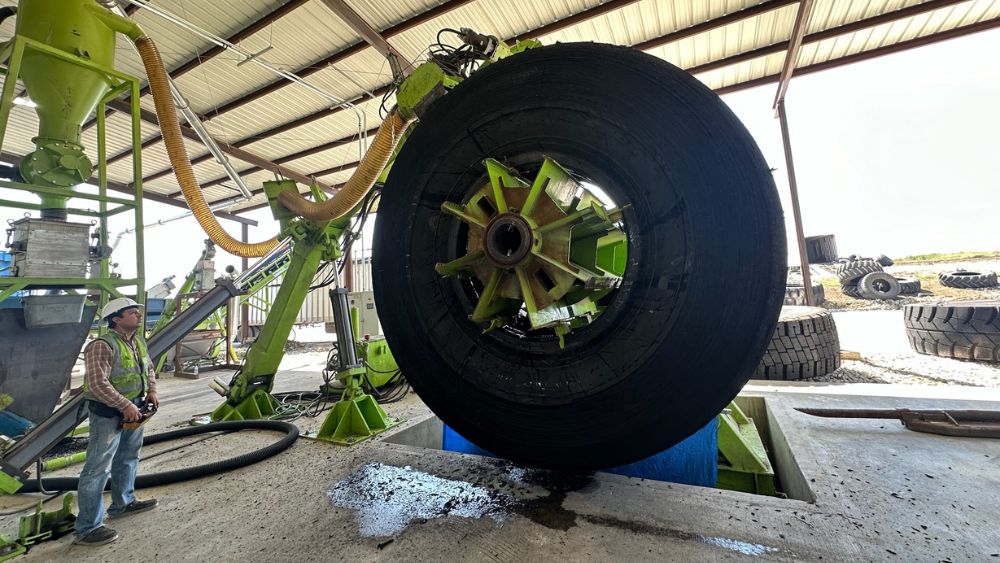
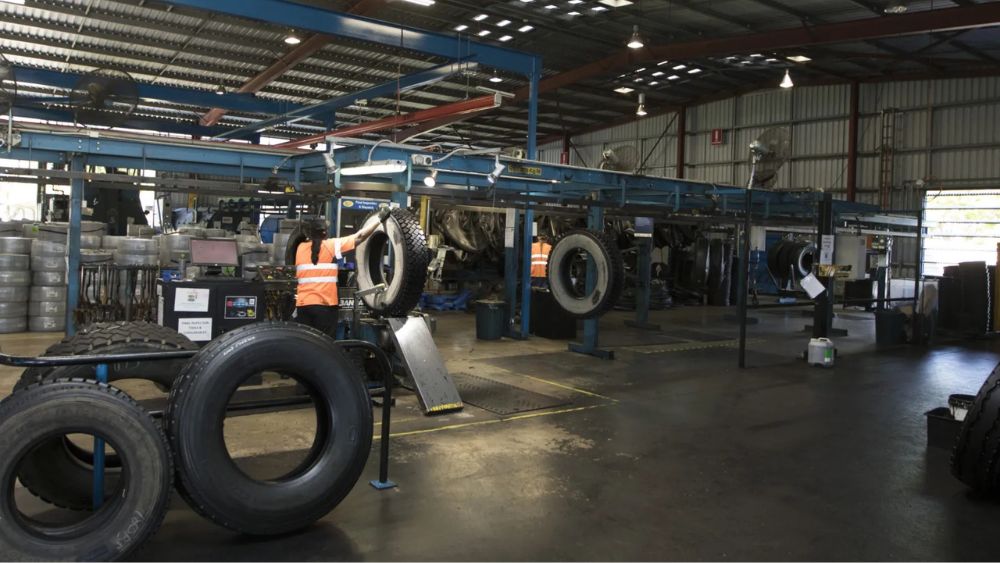
TSA welcomes the Committee’s support for retreading as a priority circular economy activity. It also commends the recommendations to grow demand for recycled tyre materials through crumb rubber in roads, government procurement, and closer collaboration between industry, universities, and CSIRO to commercialise new recycling technologies. TSA particularly welcomes the focus on regional, rural, and remote communities, where higher transport and storage costs make tyre recovery hardest.
“Every used tyre holds valuable materials, and Australia has the skills and technology to recover them,” Goodman said. “Retreading extends the life of a tyre, and advanced manufacturing can turn end-of-life tyres into new, high-value products. Keeping these materials onshore builds jobs and investment, and strengthens the resilience of our supply chains. Action on these recommendations will help build a strong circular economy for the future, one that works for every part of Australia.”
Strong Consumer and Local Community Support for National Rules
Australian consumers and communities are also asking for reform. TSA says recent consumer research it commissioned found that 91 per cent of Australians support national rules for managing used tyres. This finding is consistent with the Committee’s first recommendation, which calls on governments to develop a nationally harmonised framework for end-of-life tyres through the Environment Ministers’ meeting.
Goodman said that the research also found that consumers are prepared to pay around A$6 per tyre to ensure responsible disposal. “Australians are willing to play their part; in return, they need confidence that the system they contribute to delivers genuine outcomes.”
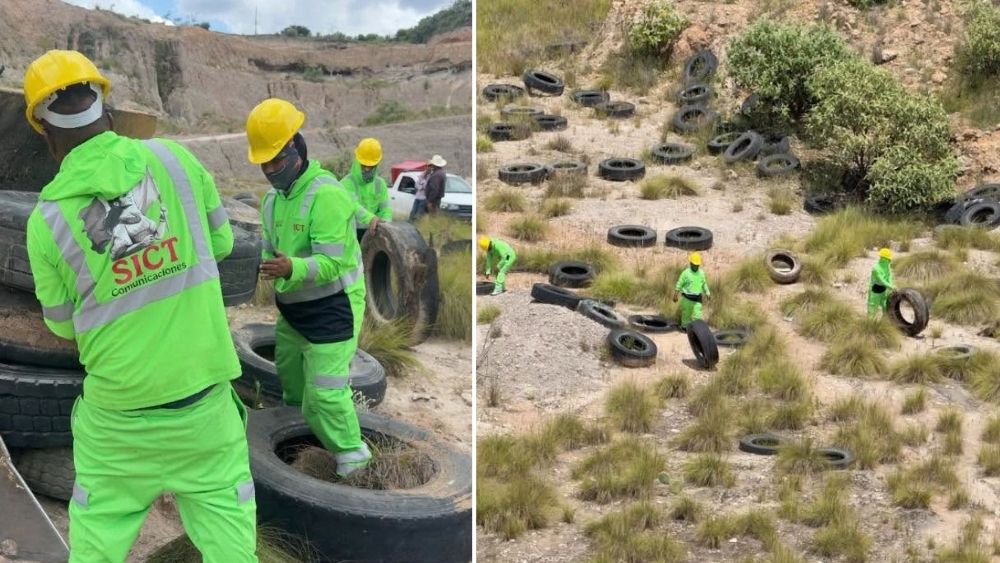
According to TSA, one third of submissions to the inquiry came from the local government sector, sharing first-hand what illegal tyre dumping is costing them.
“Local councils are on the front line of managing end-of-life tyres in their communities, and many tell us they are losing the battle,” Goodman said. “Every dollar and every hour spent cleaning up dumped tyres is taken away from improving roads, parks and community services. Australian consumers should not have to bear the cost of a problem they did not create. Consistent national rules on storage, transport and disposal, as the Committee recommends, would close the gaps that dumping takes advantage of.”
Off-the-Road Tyres: Progress Under Way
TSA shares the Committee’s view that off-the-road (OTR) tyres from the mining and agricultural sectors present a significant challenge. TSA’s 2021 report, Tipping the Balance, was, according to TSA, the first to quantify the scale of this challenge in Australia.
“Since that report, we have worked closely with miners, farmers, processors, recyclers and researchers to improve outcomes for these tyres,” Goodman said. “Our latest figures show OTR recovery rates have more than doubled from 9 per cent to 21 per cent since 2021. That is a credit to everyone across the mining and agricultural sectors and shows a genuine willingness to change. The Committee’s proposed framework, which includes a staged reduction in on-site burial over five years, interim recovery targets and public reporting, is the right way to build on that progress.”
Responsible Brands Should Not Have to Carry the Load Alone
Ascenso, Bearcat, Bridgestone, Bridgestone Mining Solutions, Continental, Get A Grip Tyres, Goodyear, Hankook, Kal Tire, Kumho, Michelin, Pirelli, Porsche, Sailun, Toyo Tires, and Yokohama were recognised by TSA for their support. Many have contributed voluntarily to the Tyre Product Stewardship Scheme since it began 12 years ago, funding improved outcomes for Australia‘s end-of-life tyres well before any regulation required it.
The Committee recommends that any strengthened framework require manufacturers, importers, retailers, recyclers, and other stakeholders to share responsibility across a tyre’s life. TSA says this would create the level playing field that contributing brands have long sought.
“These companies have set the standard for responsible stewardship in Australia,” Goodman said. “After more than a decade of government inaction, they are paying for an outcome that benefits everyone, while free riders who sell tyres into the Australian market without contributing to product stewardship gain a competitive advantage at their expense.”
Implement Recommendations Without Delay
TSA calls on the Federal Government and the Minister for the Environment and Water, Murray Watt, to implement the report’s recommendations within the current term of government.
Goodman concluded: “The Committee has done the hard work and set out the compelling economic and environmental case for reform. Australians, local councils and responsible industry have waited long enough. It’s time for Minister Watt to back the recommendations tabled today and act without delay. TSA stands ready to work with the Government, the states and the entire supply chain to get it done.