Swedish Tyre Recycling (SDAB) has shown significant progress in its 2025 Annual Report, highlighting major advances in material recycling, international collaboration and the commercial development of recycled tyre-derived materials
SDAB, which manages Sweden’s producer responsibility scheme for end-of-life tyres, collected 94,060 tonnes of tyres during 2025, up from 86,927 tonnes the previous year. Recycling volumes reached 103,990 tonnes, while the share of material recycling increased to 75% from around 30% in 2022, continuing a steady shift away from energy recovery and towards higher-value applications.
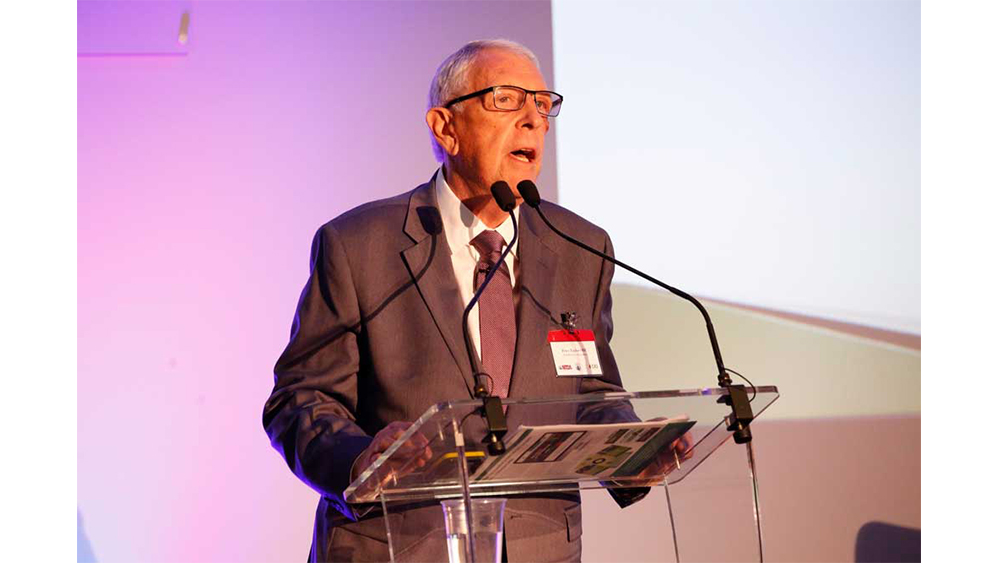
A central theme of the report is SDAB’s ambition to transform tyre recycling from a largely subsidised activity into a market-driven business. Fredrik Ardefors, CEO of SDAB, said the organisation is focused on increasing the value of recovered tyre materials while reducing reliance on recycling fees over the long term.
One of the most significant developments during 2025 was the creation of Bon Orbit, a joint venture between Swedish Tyre Recycling and Norwegian tyre recycling organisation Norsk Dekkretur, which will gradually assume responsibility for operational tyre recycling activities in both countries during 2026, handling more than 150,000 tonnes of end-of-life tyres annually.
Bon Orbit is also developing a new state-of-the-art processing facility in Trollhättan, Sweden, designed to improve the quality and traceability of recycled tyre materials, using advanced sorting technology capable of separating tyre streams and producing tailored material blends for specific applications, including pyrolysis and tyre manufacturing.
The report highlights SDAB’s broader efforts to raise the profile and value of recycled tyre materials through initiatives such as the CERUB traceability certification scheme, the End-of-Life Tyre Research Portal (ELTRP) and participation in international projects including CIRPASS, which focuses on digital product passports.
Looking ahead, SDAB sees education and international collaboration as critical next steps, while exploring the expansion of ELTRP into a global educational platform and actively participating in European standardisation, digital passport and tyre recycling initiatives.
Full version of the report available here.