Birla Carbon will participate in the International Rubber Conference (IRC) 2026, held from 2 to 6 November in Nagoya, Japan, presenting its solutions for tyre wear, energy efficiency and automotive rubber components at Booth B
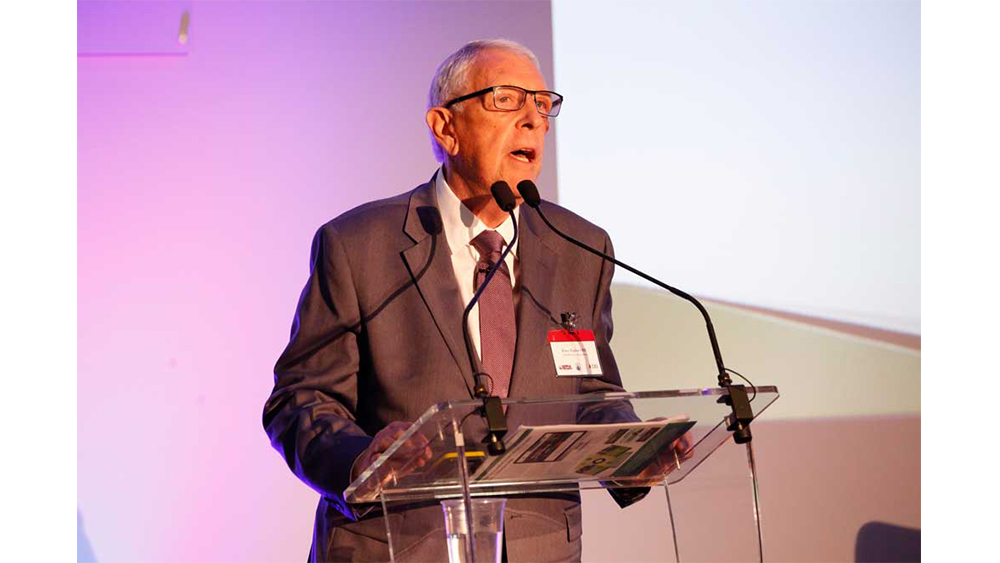
“Asia’s tyre and rubber manufacturers are shaping the next phase of mobility, and their material requirements are becoming increasingly stringent,” said Amit Kumar, President, Asia, Birla Carbon. “As the clear leader in our industry, Birla Carbon aims to grow alongside our customers, combining application-focused innovation with dependable local supply. We see performance and circularity as priorities that must progress together. By expanding our capabilities in Asia and strengthening customer partnerships, we aim to help manufacturers meet evolving market needs and build greater long-term competitiveness.”
Birla Carbon will present its Very High Structure (VHS) grades for passenger car, light truck, truck and bus tyres. Designed with electric mobility and evolving requirements such as Euro 7 in mind, the portfolio features improved wear performance, energy efficiency and tyre durability.
The company will also present its Continua™ Sustainable Carbonaceous Materials (SCM) and Sustainable Carbon Blacks (SCB), with increased recycled or bio-based content that helps tyre manufacturers advance circularity goals, while consistent quality and secure large-scale supply support adoption in production. The Continua™ portfolio is backed by ISCC PLUS certification.
For mechanical rubber goods, Birla Carbon will showcase carbon black grades that address two distinct automotive needs. Grades for bushings improve mixing and dispersion to support fatigue life and component durability. Solutions for mounts combine low hysteresis, low stiffness, and reinforcement, helping manufacturers develop durable components without compromising ride comfort.
Birla Carbon’s clean, drop-in grades for extrusion applications can reduce defects, scrap and screen-pack changes, improving throughput and supporting fatigue resistance and service life in finished rubber products.