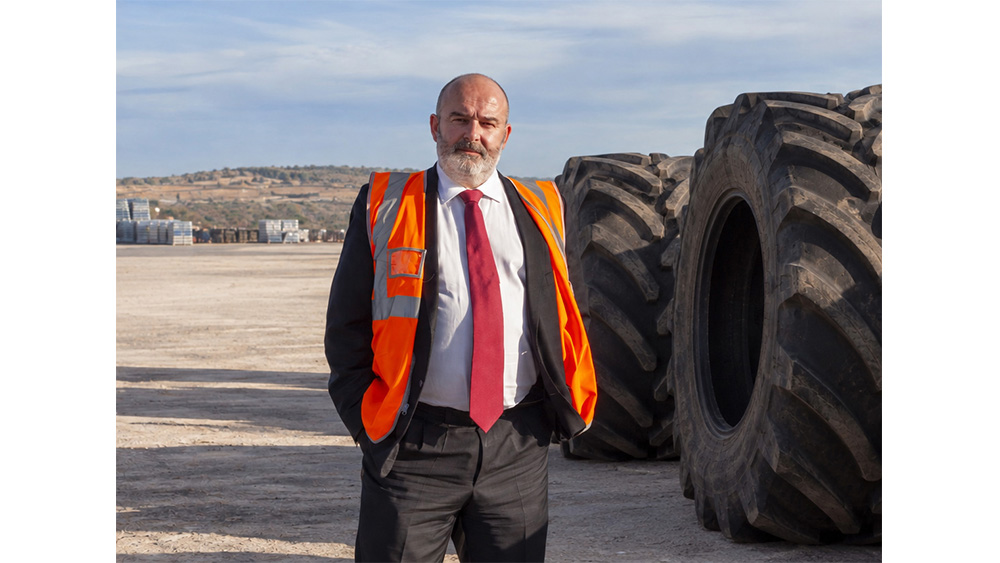
In his opinion piece titled “Agricultural Tyres Over 1,400mm – Do Farmers Know Their Management Is Included in the Purchase Price?”, Javier de Jesús Landesa, COO of TNU, explains how the EPR system covers replacement agricultural tyres with a diameter exceeding 1,400mm, meaning their end-of-life collection and treatment have already been paid for at the time of purchase.
He highlights a lack of awareness among farmers about their right to have these tyres collected at no additional cost and explains how they can request this service using the code shown on their purchase invoice. He also outlines the exceptions to the system and discusses TNU’s efforts to raise awareness among agricultural organisations and specialist workshops.
Agricultural Tyres Over 1,400mm: Do Farmers Know Their Management Is Included in the Purchase Price?
Since 2021, the purchase of agricultural tyres over 1,400mm in diameter has included their end-of-life management. Farmers do not have to pay anything extra to have them collected: they simply need to keep the code shown on the invoice and request collection from the seller. The problem is that many are unaware of this, and a tyre of these dimensions and weight will not move itself.
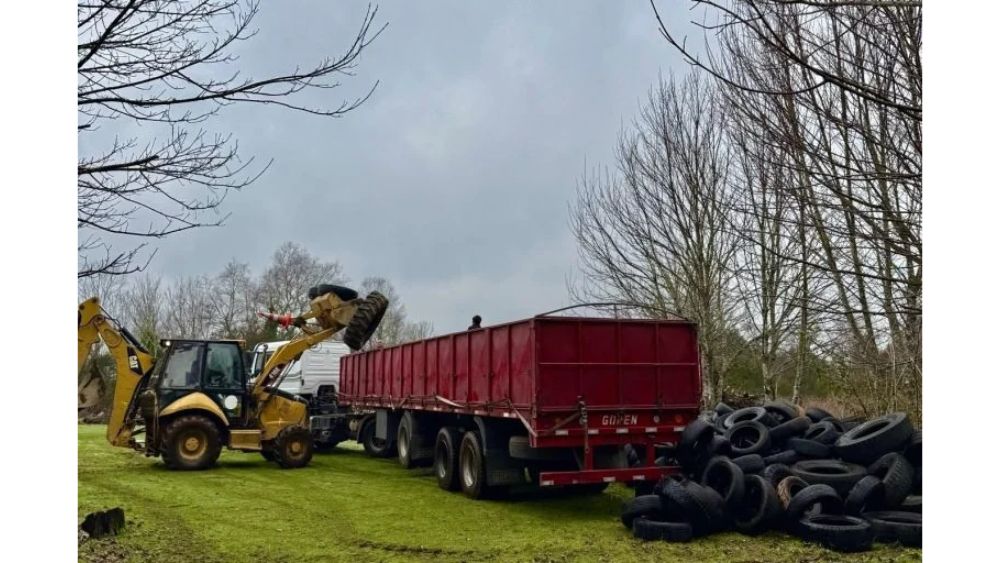
Large agricultural tyres have specific characteristics that affect how they must be managed at the end of their life. Because of their weight and dimensions and because they are often replaced directly on the farm, their collection is very different from that of a conventional tyre.
There is one question that is rarely asked: do farmers know that when they purchase a tyre measuring more than 1,400mm, they are also paying for its future management?
Since 1 January 2021, replacement agricultural tyres with a diameter exceeding 1,400mm have been included in the EPR system. This means that when they eventually need to be discarded, their collection and treatment have already been funded.
The new Royal Decree 712/2025 strengthens this model by increasing requirements for financing, traceability and monitoring to ensure that these tyres are properly collected and managed at the end of their life.
When an agricultural tyre reaches the end of its life
The real challenge is not simply having a collection system in place, but ensuring that farmers know their rights. Given their characteristics and operating conditions, these large tyres can remain in service for years. In fact, for tyres with a diameter of 1,400mm or more, being placed on the market does not necessarily mean they will become waste in the same year.
Furthermore, if an owner removes a tyre but believes it can still be useful and decides to keep it, there is no intention to discard it at that stage. When the owner eventually decides to dispose of it, the tyre must enter the appropriate management system.
How to request collection
Before 2021, having one of these large tyres collected could involve an additional cost for the farmer. Since 1 January 2021, however, the collection and treatment of replacement tyres have been included in their purchase price. The procedure is straightforward: keep the purchase invoice, which contains the code linking the tyre to the system that has already funded its management; inform the supplier or workshop that the tyres need to be collected so they can indicate which system should be contacted to arrange collection; and, while waiting, store the tyres under cover, in a dry place away from oils or fuels.
The procedure is the same regardless of where the tyre is fitted. If a replacement takes place on the farm itself and the farmer wishes to dispose of the old tyre, it must be collected at no additional cost. If the farmer prefers to keep it, they can do so, retaining the associated code to request collection later, when they decide to discard it.
This is precisely one of the main challenges: ensuring that farmers know the code exists and understand that it gives them the right to have the tyre collected.
There are also circumstances in which this right to free collection does not apply. Tyres purchased before 1 January 2021 do not have a code and their management is the responsibility of their owner, who must use an authorised waste manager and pay the associated cost. The same applies to tyres originally fitted to a new tractor at the factory, as these are exempt and do not contribute to the collective system. For tyres purchased from 1 January 2021 onwards, the invoice must include an associated code. If it does not, the farmer should request it from their supplier or workshop.
If farmers are unaware of the code system and their associated right to collection, they may keep their used tyres because they assume that requesting their removal will involve an additional charge.
Keeping a used tyre on a farm does not, in itself, mean that it has become waste. As long as its owner believes it can still be used and has no intention or obligation to discard it, it should be stored in appropriate conditions. Once the owner decides to dispose of it and it is awaiting collection, it becomes waste and must be stored in accordance with the applicable requirements: protected from rain, separated from other waste and kept in suitable conditions until collection.
That is why it is essential to get this message across to farmers.
Specialist workshops and agricultural organisations can play a key role in this effort. For this reason, during October, TNU launched a dedicated information campaign for the agricultural sector, which included sharing information with agricultural associations and workshops, as well as publishing content in specialist media, on its website and across social media. The aim was to ensure that agricultural professionals understand their rights and know what to do when the time comes to have their used tyres collected.
This information and awareness-raising work ins particulalry imoprtant under the new regulatory framework.
Agricultural professionals need to know what they are paying for, what rights come with that payment and what they must do when they need to have their used tyres collected.
Knowing that their management has been included in the purchase price from the outset is the first step towards ensuring that, at the end of their life, these tyres enter the appropriate collection, treatment and recycling system. The service has already been paid for; all that remains s to request it.